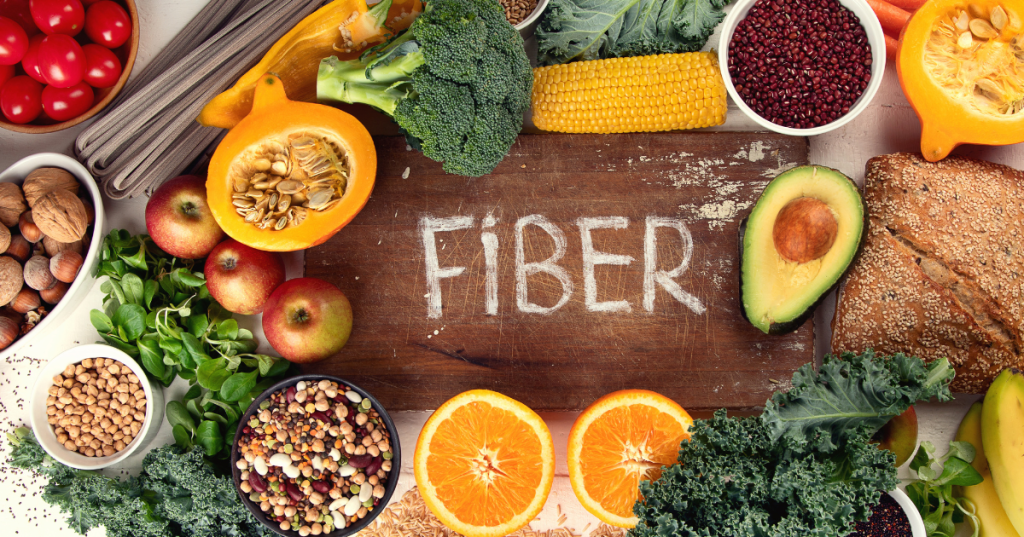
Fiber is one of the most important nutrients for overall health, yet many people don’t get enough of it. A fiber-rich diet can support digestion, help you feel fuller for longer, promote stable blood sugar levels, and contribute to heart health.
The good news? You don’t need to completely change the way you eat. Small, simple adjustments can make a big difference.
Why Fiber Matters
Fiber is a type of carbohydrate that your body cannot fully digest. Instead, it passes through the digestive system and provides several benefits, including:
✓ Supporting regular bowel movements
✓ Helping you feel satisfied after meals
✓ Supporting healthy cholesterol levels
✓ Promoting a healthy gut microbiome
✓ Helping maintain stable energy levels
Most adults should aim for approximately 25–38 grams of fiber per day, depending on age and sex.
1. Start Your Day with More Fiber
Breakfast is one of the easiest opportunities to boost your fiber intake.
Instead of:
- Sugary cereal
- White toast
- Pastries
Try:
- Oatmeal topped with berries and chia seeds
- Whole-grain toast with avocado
- High-fiber cereal with fruit
- Overnight oats with flaxseed
Even adding one tablespoon of chia seeds can significantly increase the fiber content of your breakfast.
2. Choose Whole Fruits Instead of Juice
Fruit juice may contain vitamins, but it lacks much of the fiber found in whole fruit.
Good high-fiber options include:
- Raspberries
- Pears
- Apples
- Oranges
- Blackberries
Keep the edible skin on fruits like apples and pears whenever possible for an extra fiber boost.

3. Add Beans and Lentils to More Meals
Beans, lentils, and peas are among the best fiber-rich foods available.
Easy ways to include them:
- Add black beans to tacos
- Stir lentils into soups
- Toss chickpeas into salads
- Use beans in grain bowls
They also provide protein, making meals more filling and satisfying.
4. Upgrade Your Snacks
Many common snack foods are low in fiber.
Instead of:
- Chips
- Crackers
- Candy
Try:
- Air-popped popcorn
- Roasted chickpeas
- Apple slices with peanut butter
- Mixed nuts and berries
- Vegetables with hummus
Choosing fiber-rich snacks can help reduce hunger between meals.
5. Eat More Vegetables Throughout the Day
Most people know vegetables contain fiber, but many still don’t eat enough of them.
Simple ideas:
- Add spinach to smoothies
- Include a side salad with lunch
- Add extra vegetables to pasta sauces
- Roast a tray of mixed vegetables for the week
Aim to fill at least half your plate with vegetables whenever possible.
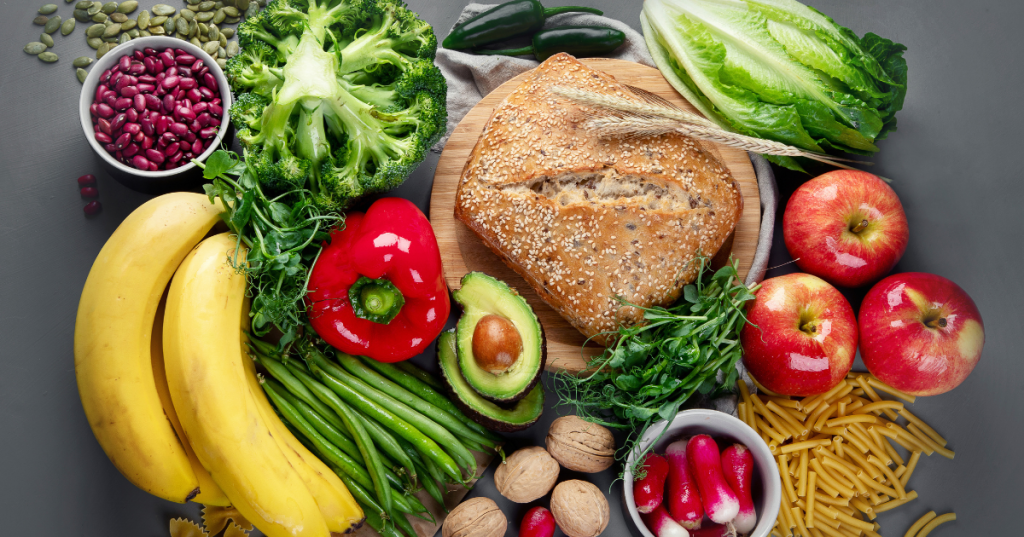
6. Switch to Whole Grains
Refined grains often contain less fiber than their whole-grain counterparts.
Consider replacing:
- White rice → brown rice
- White bread → whole-grain bread
- Regular pasta → whole-wheat pasta
- Refined cereals → whole-grain cereals
Making just one or two swaps can increase your daily fiber intake significantly.
7. Sprinkle Fiber-Rich Extras on Meals
Small additions can quickly increase fiber without changing the meal itself.
Try adding:
- Chia seeds
- Ground flaxseed
- Hemp seeds
- Pumpkin seeds
- Nuts
These can be sprinkled on oatmeal, yogurt, salads, or smoothies.
Increase Fiber Gradually
If you’re currently eating a low-fiber diet, increase your intake slowly.
Adding too much fiber too quickly may cause bloating or digestive discomfort. It’s also important to drink plenty of water, since fiber works best when combined with adequate hydration.
High-Fiber Foods to Keep on Hand
A few pantry staples can make it much easier to reach your fiber goals:
- Oats
- Beans
- Lentils
- Chickpeas
- Chia seeds
- Flaxseed
- Whole grains
- Berries
- Pears
- Apples
- Broccoli
- Sweet potatoes
- Nuts and seeds
Final Thoughts
Adding more fiber to your diet doesn’t have to be complicated. Simple habits like choosing whole fruits, eating more beans, upgrading your snacks, and including more vegetables can help you gradually increase your intake and support your overall health.
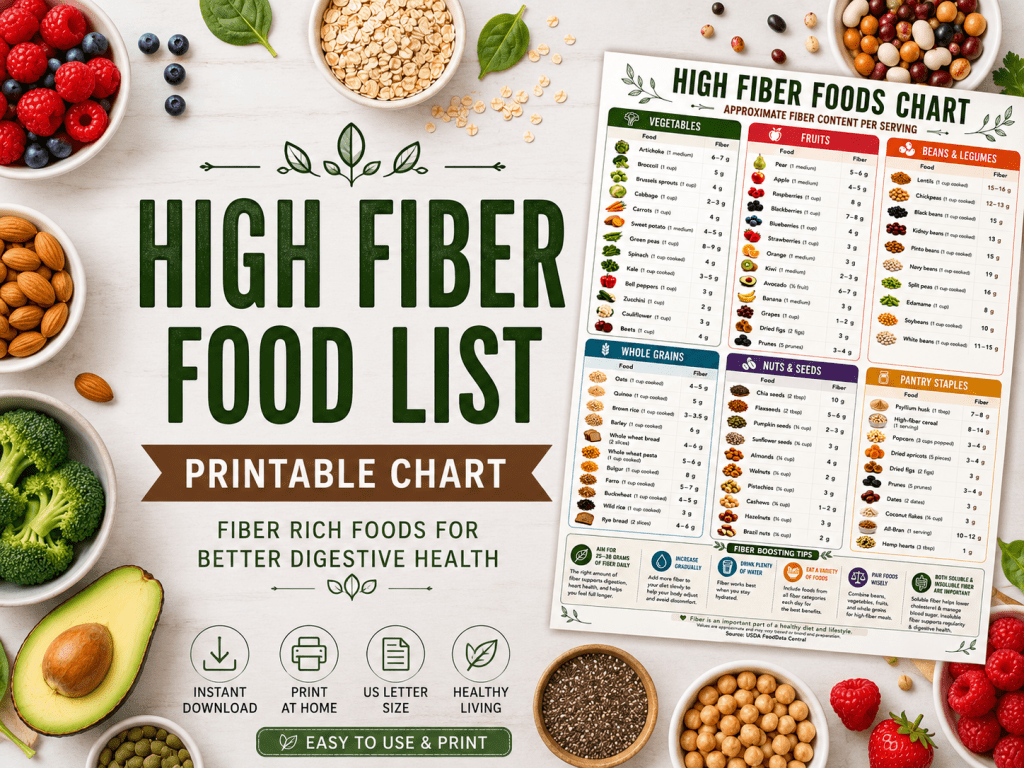
If you’d like a quick reference guide, Nordic Table also offers a printable High Fiber Food List featuring fiber-rich foods organized by category, making it easy to find high-fiber options when planning meals or grocery shopping.
You can find the High Fiber Food List here.
 Nordic Table
Leave a comment