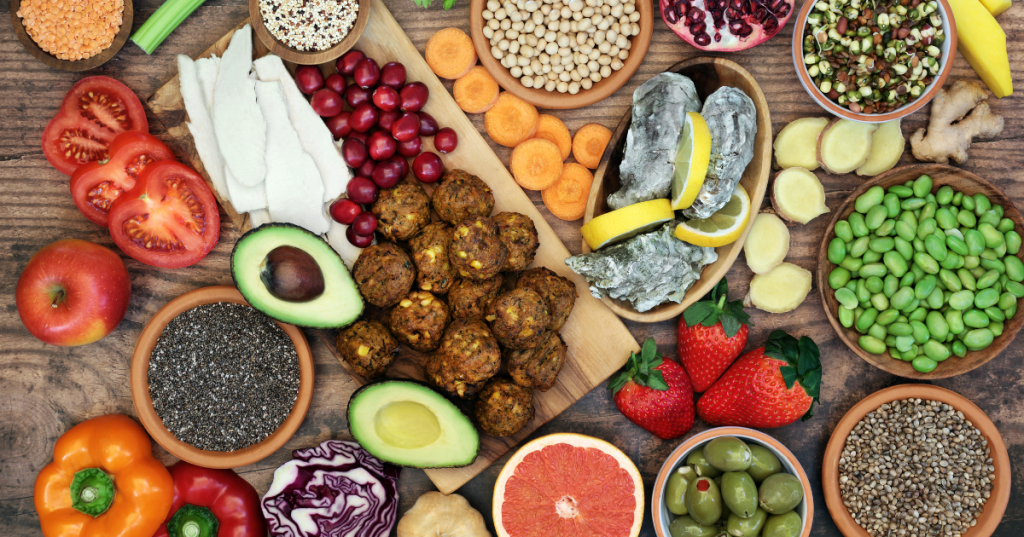
Gut health has become one of the most talked-about topics in nutrition — and for good reason.
Your gut affects everything from digestion and energy levels to immunity and even mood. But here’s the good news: You don’t need expensive supplements or complicated routines to improve it.
In most cases, simple food choices are enough to make a real difference.
Why Gut Health Matters
Your gut is home to trillions of bacteria — often called the gut microbiome.
When this system is balanced, you may notice:
- Better digestion
- More stable energy levels
- Fewer cravings
- Improved overall well-being
But when it’s off, common signs include:
- Bloating
- Fatigue
- Irregular digestion
- Sugar cravings
What you eat every day is the key to supporting your gut.
The Natural Way to Improve Gut Health
Instead of relying on supplements, focus on building meals around gut-friendly foods.
Here are the core principles:
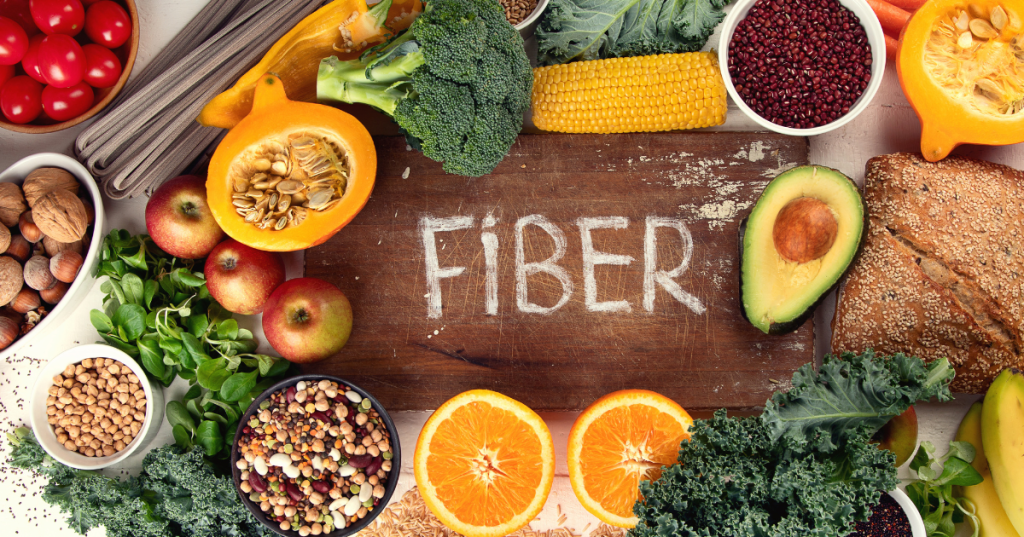
1. Eat More Fiber-Rich Foods
Fiber feeds the good bacteria in your gut.
Focus on:
- Vegetables (especially leafy greens, broccoli, carrots)
- Fruits (berries, apples)
- Whole grains (oats, quinoa, brown rice)
- Legumes (lentils, chickpeas, beans)
👉 Think of fiber as fuel for your gut.
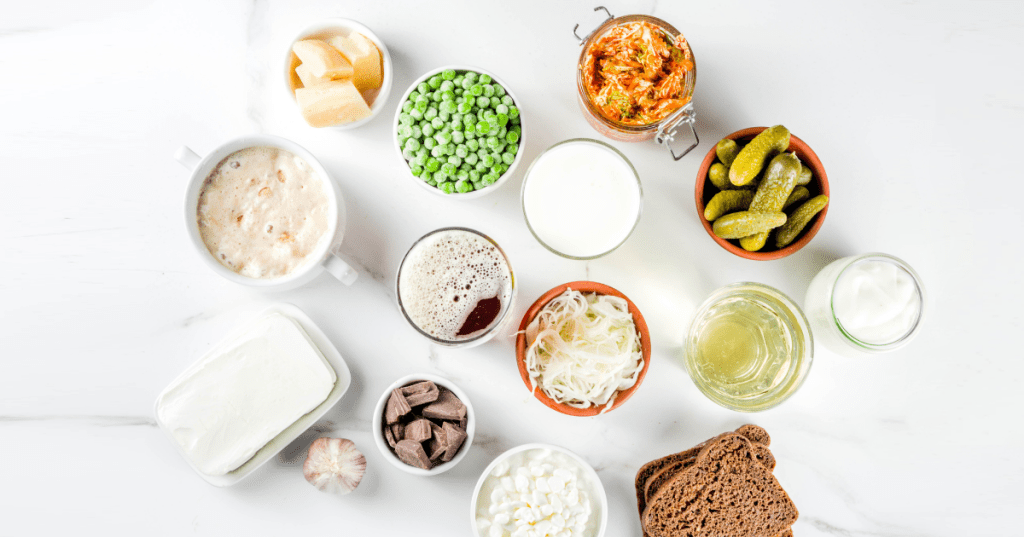
2. Include Naturally Fermented Foods
These contain beneficial bacteria (probiotics).
Examples:
- Yogurt (with live cultures)
- Kefir
- Sauerkraut
- Kimchi
You don’t need large amounts — consistency matters more.
3. Add Prebiotic Foods Daily
Prebiotics help feed the good bacteria.
Simple options:
- Garlic
- Onion
- Leeks
- Bananas (especially slightly unripe)
- Asparagus
4. Limit Ultra-Processed Foods
Highly processed foods can disrupt gut balance.
Try to reduce:
- Sugary snacks
- Fast food
- Highly refined carbs
You don’t have to cut them completely — just don’t let them dominate your diet.
5. Keep It Simple and Consistent
You don’t need a perfect diet.
A simple approach works best:
- Build meals around whole foods
- Add variety over time
- Stay consistent, not perfect
What a Gut-Friendly Day Can Look Like
Here’s a simple example:
Breakfast
Oats with yogurt, berries, and a banana
Lunch
Chicken salad with mixed vegetables, olive oil, and quinoa
Dinner
Salmon with roasted vegetables and brown rice
Snack
Apple with a handful of nuts
No extremes. Just balanced, real food.
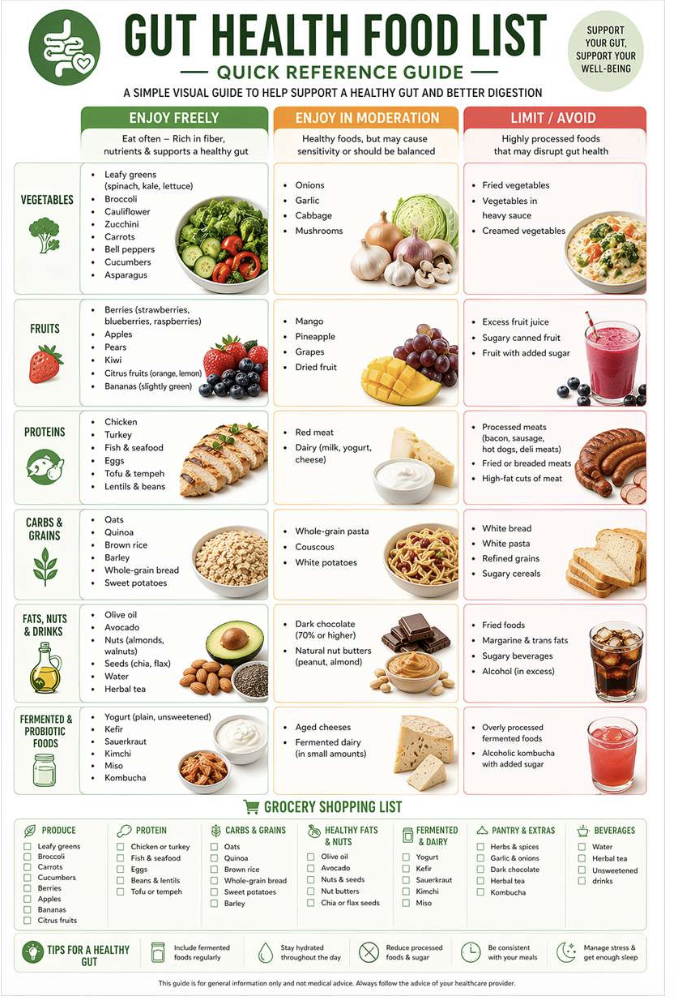
Want a Simple Gut Health Food Guide?
If you want an easy, printable version you can actually use in daily life:
A complete Gut Health Food List can help you:
- Make better food choices at a glance
- Build gut-friendly meals faster
- Stay consistent without overthinking
 Nordic Table
Leave a comment