Feeling tired, low on energy, or struggling to stay focused?
It might not just be a busy schedule — it could be low iron intake.
Iron plays a key role in how your body produces energy and transports oxygen. And while it’s essential, many people don’t get enough through their daily diet.
The good news?
You don’t need complicated plans — just the right foods.
Why Iron Matters
Iron helps your body:
✔ Produce healthy red blood cells
✔ Transport oxygen throughout the body
✔ Support energy levels and focus
✔ Reduce fatigue
Low iron levels can leave you feeling drained, even if you’re otherwise eating “healthy.”
The Two Types of Iron (Made Simple)
There are two main types of iron in food:
Heme iron (easier to absorb):
- Found in animal products
- Absorbed more efficiently by the body
Non-heme iron (plant-based):
- Found in plant foods
- Still very valuable — especially when combined with vitamin C
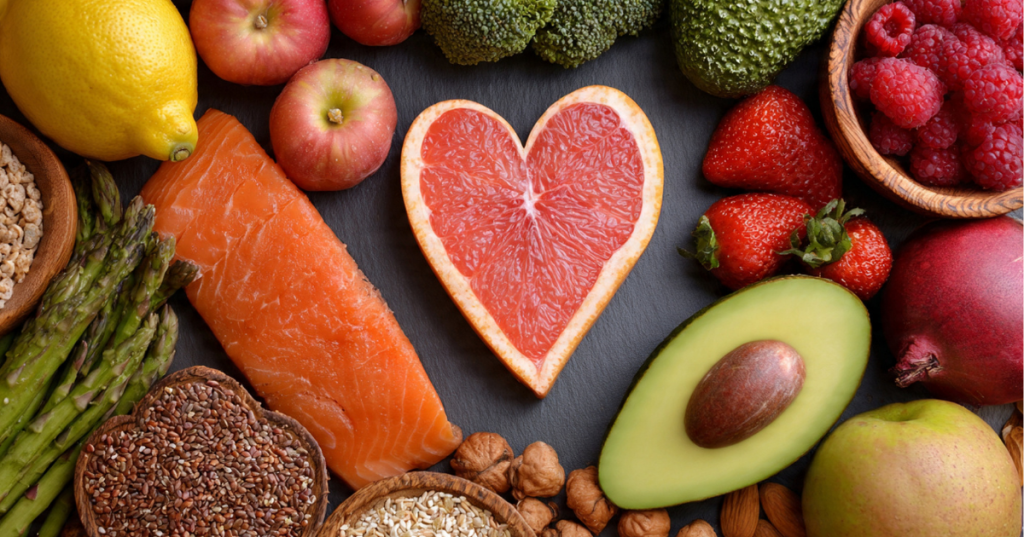
Simple tip: Pair plant-based iron with foods like citrus, peppers, or berries to improve absorption.
Foods High in Iron
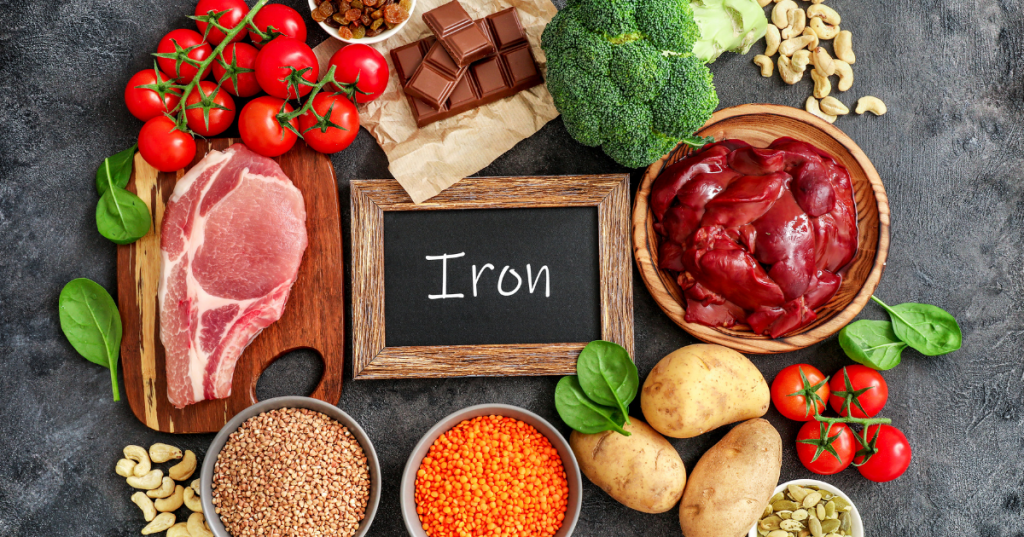
Here are some of the best iron-rich foods you can start including right away:
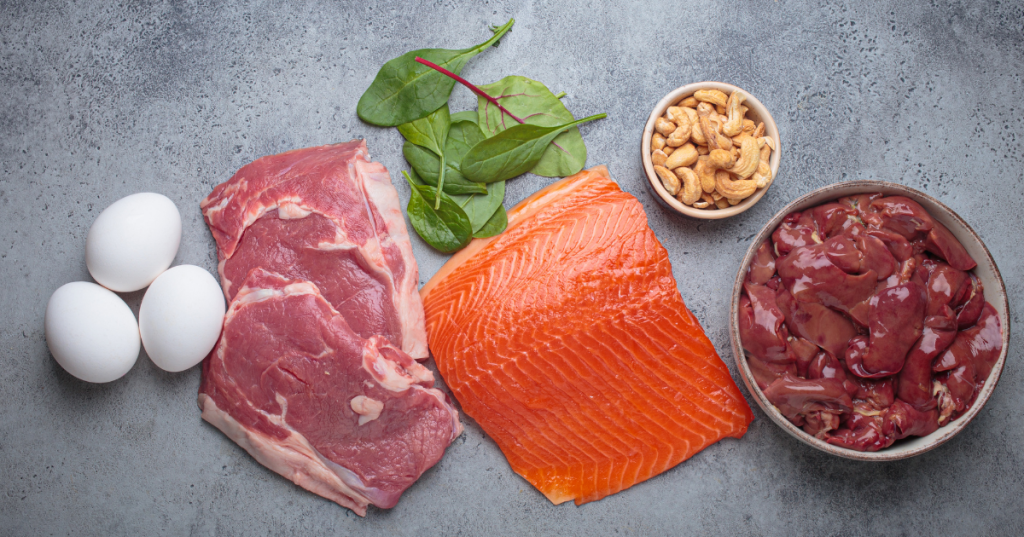
Animal-Based Sources (Highly Absorbable)
- Red meat
- Chicken
- Turkey
- Liver
- Fish (like tuna and salmon)
These are some of the most effective ways to increase iron levels quickly.
Plant-Based Sources
- Spinach
- Lentils
- Chickpeas
- Tofu
- Beans (black beans, kidney beans)
Great options for balanced, everyday meals.
Nuts, Seeds & Extras
- Pumpkin seeds
- Sesame seeds
- Cashews
- Quinoa
- Dark chocolate
Small additions that can make a big difference over time.
A Simple Iron-Rich Day of Eating
You don’t need complicated recipes — just smart combinations:
Breakfast:
Oatmeal with pumpkin seeds and berries
Lunch:
Chicken salad with spinach and bell peppers
Dinner:
Beef stir-fry with broccoli and quinoa
Snack:
Dark chocolate and a handful of cashews
Common Mistakes to Avoid
Even if you eat iron-rich foods, a few habits can hold you back:
- Drinking coffee or tea with meals (can reduce absorption)
- Not combining plant-based iron with vitamin C
- Eating too little overall
Small changes here can significantly improve results.
Keep It Simple (This Is What Works)
You don’t need to track every number.
Focus on:
- Including an iron-rich food in each meal
- Mixing animal and plant sources when possible
- Pairing foods for better absorption
That’s enough to make a real difference over time.
Want a Simple Visual Guide?
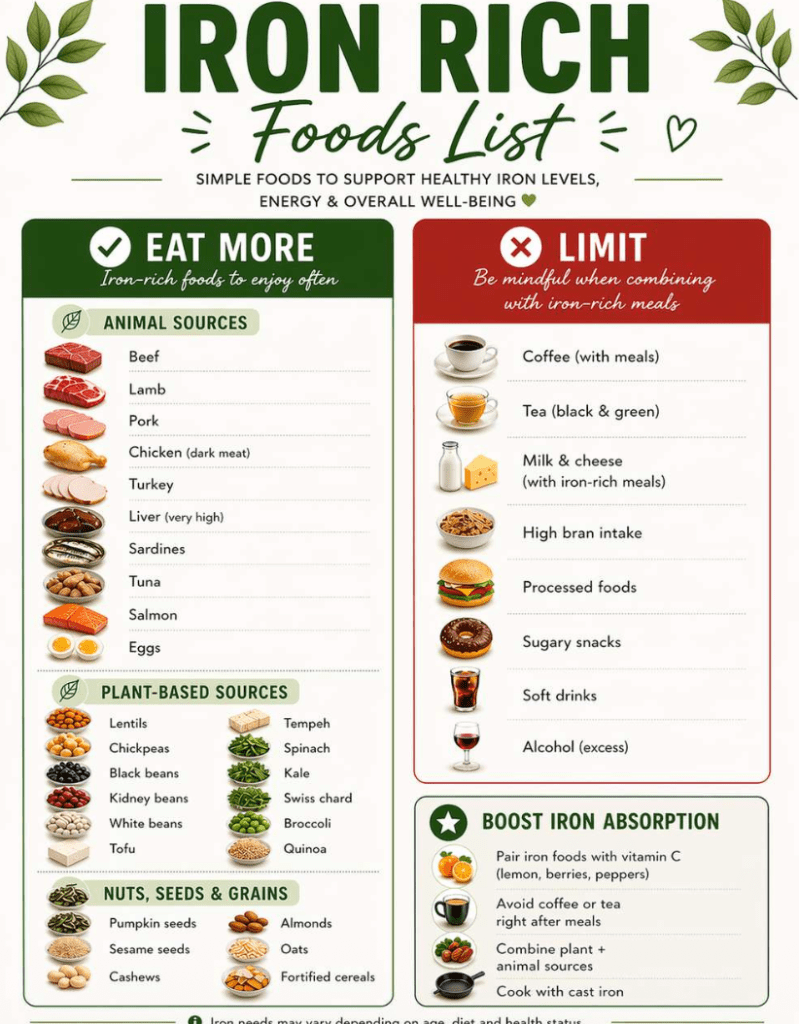
If you like having a clear overview of iron-rich foods in one place, I’ve created a printable Iron Rich Food List you can use as a quick reference in your daily routine.
It’s designed to make it easier to choose the right foods — without overthinking.
You can check it out here: Iron Rich Food List (Printable PDF)
 Nordic Table
Leave a comment