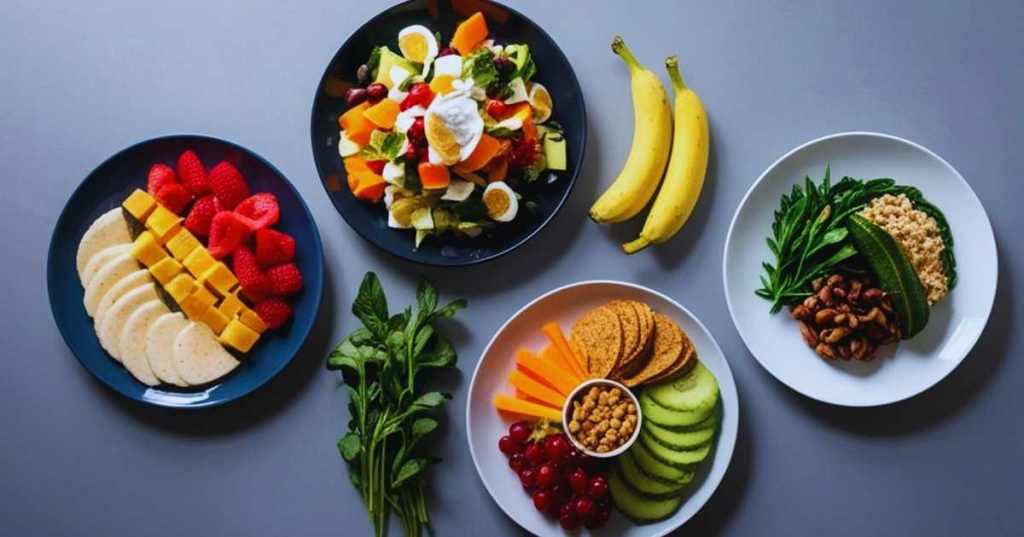
Hormonal changes during menopause can influence metabolism, energy levels, and overall wellbeing. While symptoms vary from woman to woman, smart food choices can help reduce discomfort and support long-term health.
Menopause is a natural phase of life, but the hormonal changes that come with it can affect the body in many ways. Fluctuating and declining estrogen levels may contribute to symptoms such as hot flashes, fatigue, weight gain, mood changes, sleep issues, and joint discomfort. While food won’t “fix” menopause, the right dietary choices can make a noticeable difference in how you feel day to day.
Blood Sugar Balance Matters
During menopause, many women become more sensitive to blood sugar fluctuations. Large spikes and crashes can worsen fatigue, cravings, mood swings, and even hot flashes. Eating balanced meals with protein, healthy fats, and fiber helps stabilize blood sugar and supports more consistent energy levels.
Protein Supports Muscle and Metabolism
Loss of muscle mass accelerates during and after menopause, which can slow metabolism and affect strength. Prioritizing protein from sources like fish, eggs, poultry, legumes, tofu, and dairy helps preserve muscle, supports bone health, and keeps you fuller for longer.
Healthy Fats Help Hormonal Health
Omega-3 fatty acids and other healthy fats play an important role in reducing inflammation and supporting brain and heart health. Fatty fish, olive oil, nuts, seeds, and avocado are especially beneficial and may help with joint stiffness, mood, and overall wellbeing.
Fiber for Gut and Hormone Balance
A fiber-rich diet supports digestion, gut health, and estrogen metabolism. Vegetables, berries, whole grains, legumes, nuts, and seeds help the body eliminate excess hormones efficiently and can reduce bloating and digestive discomfort.
Key Micronutrients Become More Important
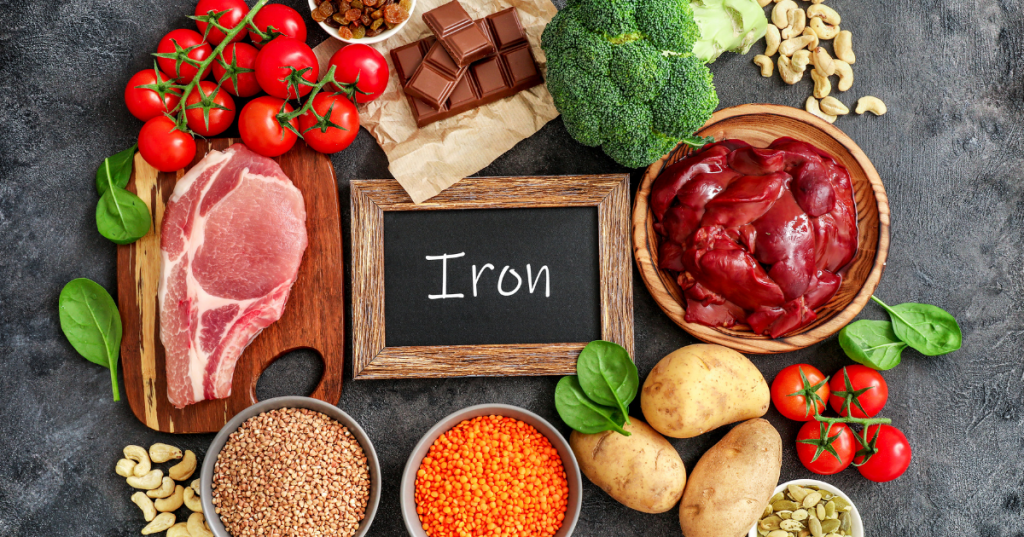
Menopausal women often need to pay extra attention to nutrients such as calcium, vitamin D, magnesium, iron, and B-vitamins. These nutrients support bone density, energy production, muscle function, and nervous system health.
Foods That May Worsen Symptoms
Highly processed foods, excess sugar, refined carbohydrates, and large amounts of alcohol or caffeine can intensify hot flashes, sleep disturbances, inflammation, and energy crashes for some women. Moderation and awareness are key.
Make Food Choices That Work With Your Body
Every woman experiences menopause differently, but food is one of the most powerful tools you can use to support your body through this transition. Small, consistent changes often lead to the biggest improvements over time.
Menopausal Food List – A Simple Guide
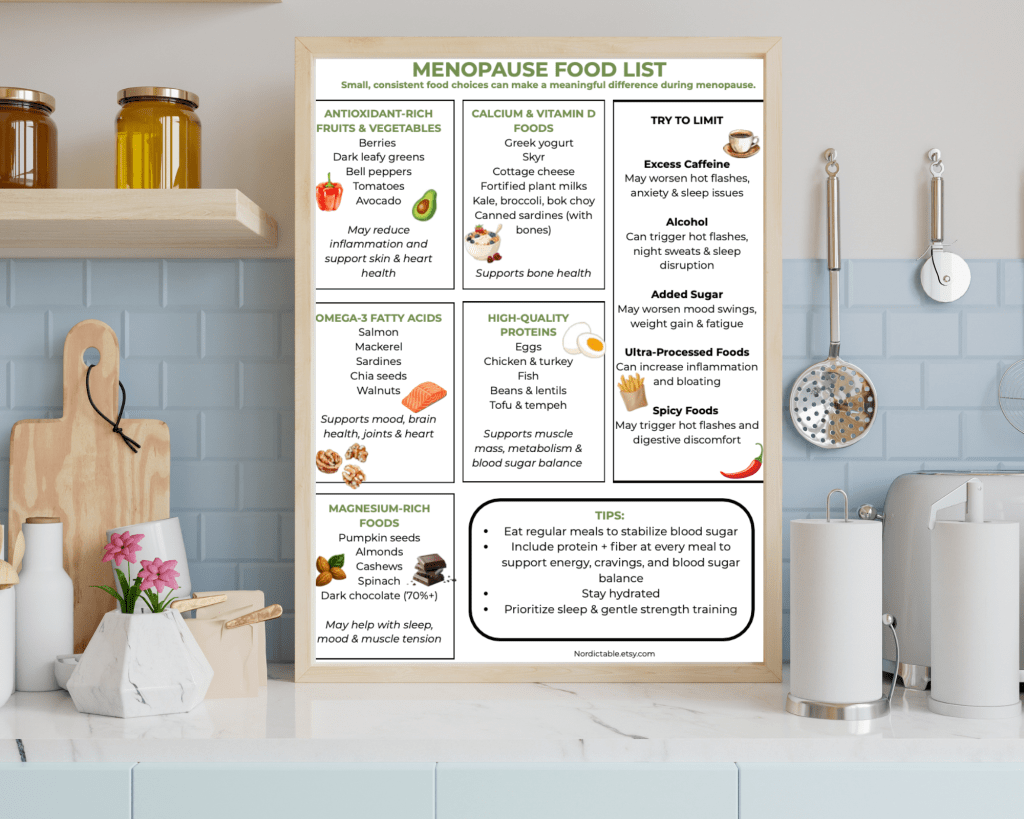
If you want an easy, practical overview of foods that support hormonal balance, energy, bone health, and overall wellbeing during menopause, my Menopausal Food List is designed to help.
It includes:
- Foods to prioritize during menopause
- Key nutrients explained in a simple way
- Easy reference lists you can use for daily meals and grocery shopping
 Nordic Table
Leave a comment