Inflammation is a natural process in the body — it’s your immune system’s way of protecting you. But when it becomes long-term and low-grade, it can start to affect how you feel in everyday life.
Many people experience symptoms without immediately connecting them to inflammation. Over time, small signals from the body can build up and impact energy levels, digestion, and overall well-being.
Signs Your Body May Be Inflamed
Chronic inflammation often shows up in subtle ways rather than something clearly defined.
Some common symptoms include:
- Constant fatigue or low energy
- Bloating and digestive discomfort
- Brain fog or difficulty concentrating
- Joint pain or stiffness
- Frequent headaches
- Skin issues (like acne, eczema, or redness)
- Trouble losing weight
- Sugar cravings
These symptoms can have different causes, but ongoing inflammation is often part of the picture.
What Can Contribute to Inflammation?
Several everyday habits can increase inflammation over time:
- Highly processed foods
- Excess sugar
- Refined carbohydrates
- Poor sleep
- High stress levels
- Low intake of nutrients and fiber
This is why food choices matter — not in a restrictive way, but as a way to support the body more consistently.
A Diet That Supports Lower Inflammation
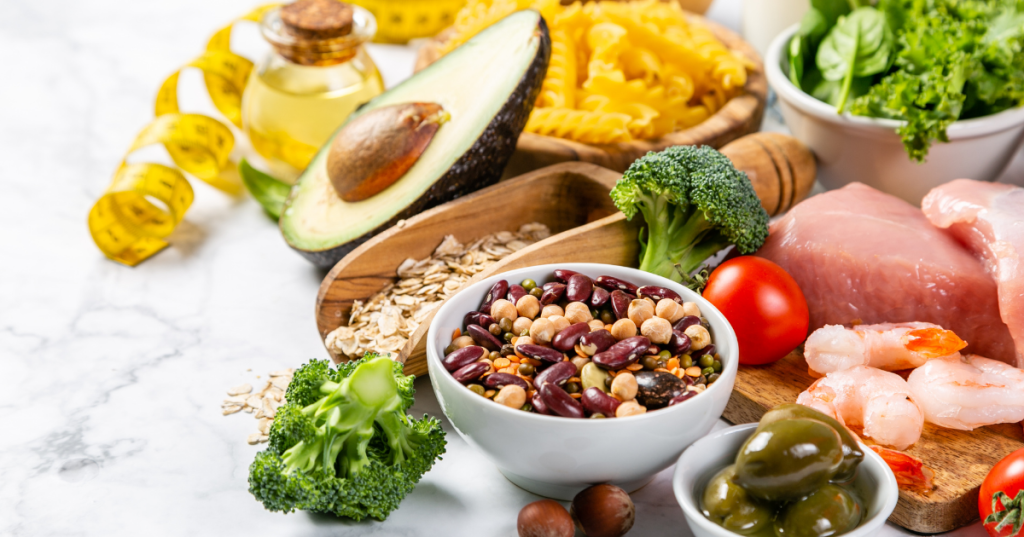
A simple and effective approach is to focus on a Mediterranean-style way of eating, built around:
- Whole, minimally processed foods
- Healthy fats
- Lean protein
- Plenty of vegetables and fruits
This type of diet supports stable blood sugar, gut health, and a steady supply of nutrients that help regulate inflammation.
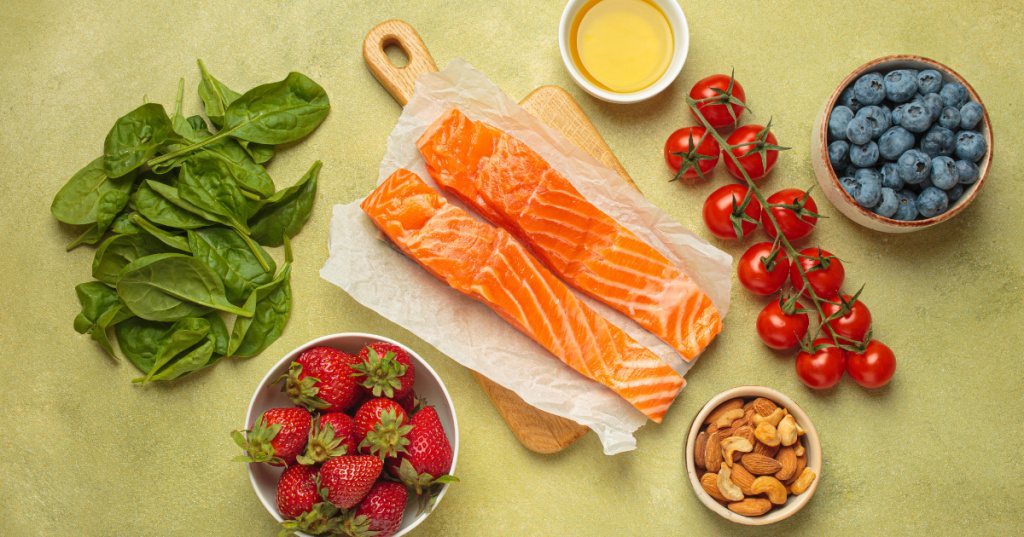
Foods That May Help Reduce Inflammation
Healthy fats
Healthy fats are an important part of an anti-inflammatory diet.
- Avocado
- Olive oil
- Fatty fish (salmon, mackerel, sardines)
- Nuts and seeds
Fruits rich in antioxidants
Fruits high in antioxidants help protect the body from oxidative stress.
- Berries
- Pomegranate
- Cherries
- Citrus fruits
Vegetables (especially leafy greens)
Vegetables provide fiber, vitamins, and compounds that support overall health.
- Spinach and kale
- Broccoli
- Bell peppers
- Zucchini
- Carrots
Herbs and spices
Simple ingredients in everyday cooking can make a difference.
- Turmeric
- Ginger
- Garlic
- Cinnamon
Lean protein
Protein helps maintain stable energy and supports recovery.
- Chicken
- Eggs
- Fish
- Lentils and beans
Click here for 7 anti-inflammatory dinner ideas.
Foods to Limit
Some foods are more likely to contribute to inflammation when eaten frequently:
- Processed foods
- Sugary snacks and drinks
- Refined carbohydrates
- Fried foods
- Excess alcohol
This isn’t about avoiding them completely, but being aware of balance over time.
A Simple Way to Get Started
A few small adjustments can make a noticeable difference:
- Add vegetables to most meals
- Use olive oil as your main fat source
- Include protein in every meal
- Choose whole foods more often than processed options
An anti-inflammatory approach to eating is less about strict rules and more about consistency. Over time, simple food choices can support better energy, digestion, and overall balance in the body.
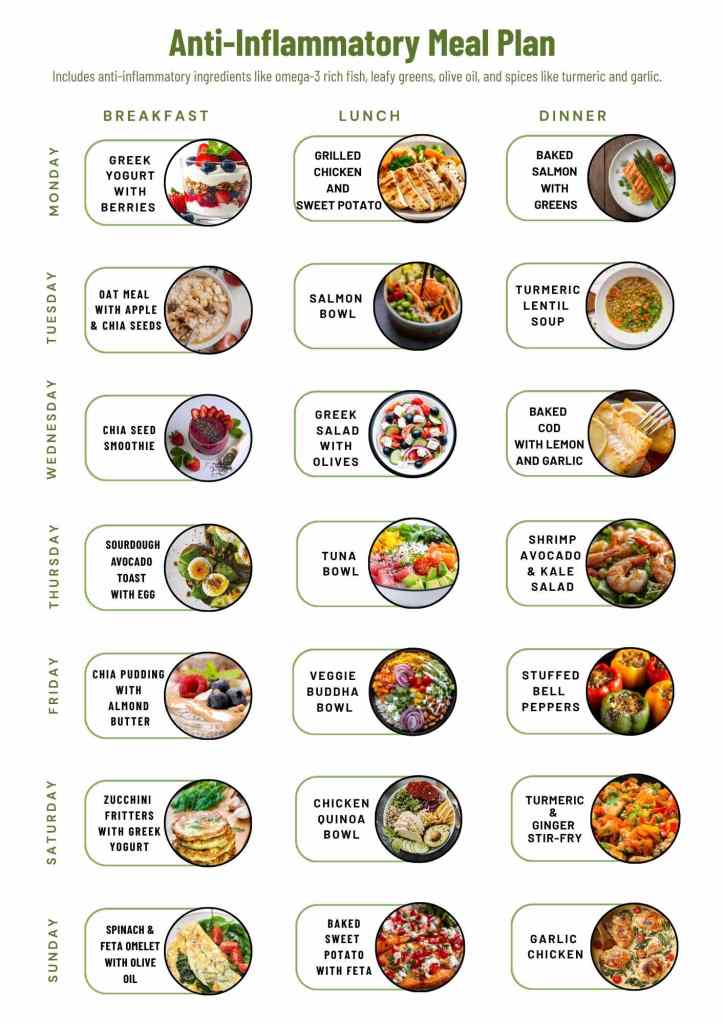
Looking for a done-for-you plan? My 7-day anti-inflammatory meal plan includes easy recipes and a complete grocery list to make it simple.
 Nordic Table
Leave a comment