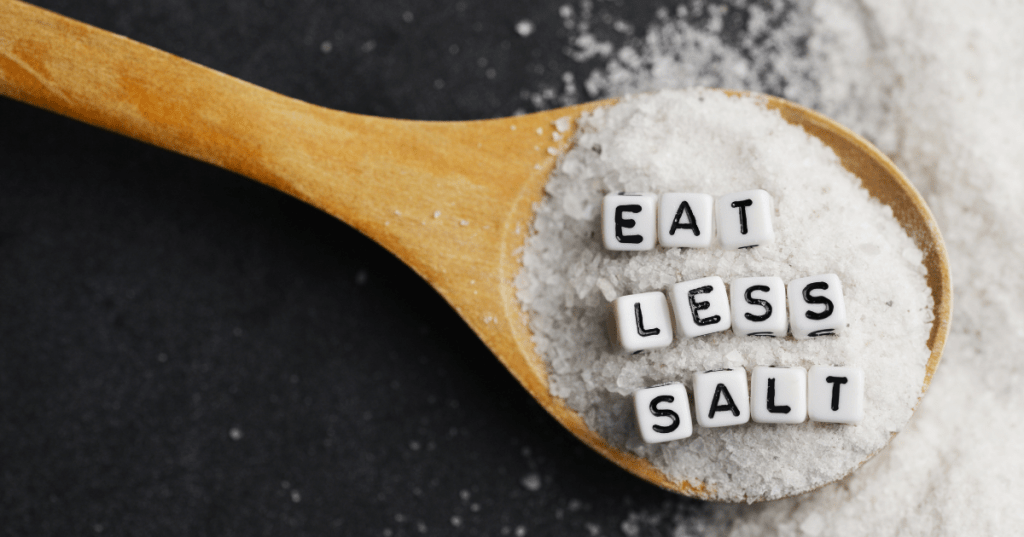
Most people think salt only comes from what they add to their food.
But in reality, the majority of sodium in a typical diet comes from everyday foods you might not expect.
If you’re trying to follow a low sodium diet or simply make healthier choices, being aware of these hidden sodium traps can make a big difference.
Why Hidden Sodium Matters
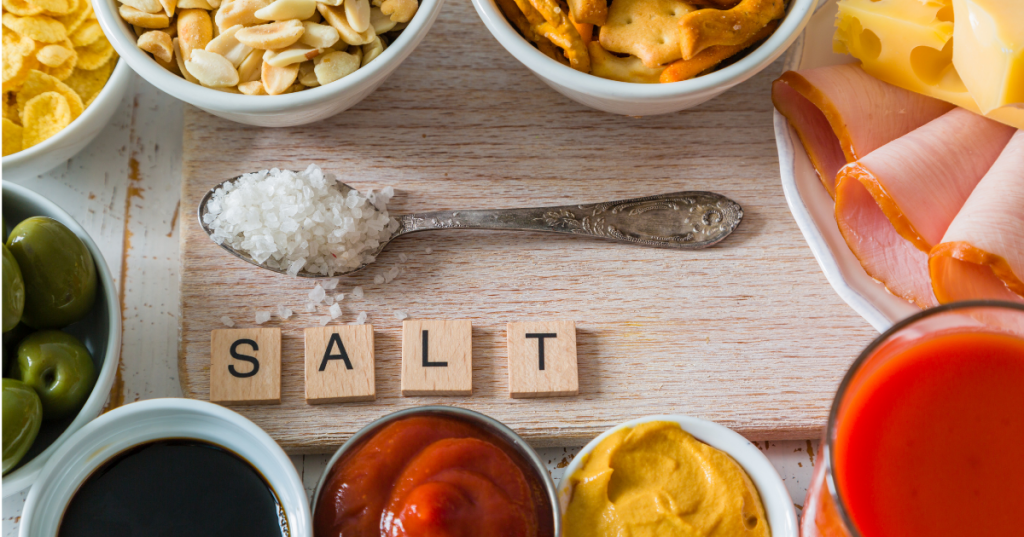
Even foods that don’t taste “salty” can contain significant amounts of sodium — especially when they’re processed, packaged, or store-bought.
Over time, these small amounts can quickly add up.
10 Hidden Sodium Traps to Watch Out For
1. Bread and baked goods
Bread is one of the biggest hidden sources of sodium because it’s eaten so frequently. Even one slice can contain more salt than you’d expect.
2. Breakfast cereals
Some cereals — even “healthy” ones — contain added sodium for flavor and shelf life.
3. Cheese
Certain types of cheese, especially processed cheese and feta, can be high in sodium.
4. Store-bought sauces
Soy sauce, BBQ sauce, dressings, and marinades are often loaded with salt.
5. Canned foods
Soups, beans, and vegetables can contain added salt unless labeled “no added salt” or “low sodium”.
6. Deli meats
Ham, turkey slices, and other processed meats are among the highest sodium foods.
7. Instant foods
Instant noodles, soups, and ready meals often rely heavily on sodium for flavor.
8. Snacks like crackers and pretzels
Even small portions can contain a lot of hidden salt.
9. Vegetable juice
Store-bought tomato and vegetable juices can contain surprisingly high amounts of sodium.
10. Condiments
Ketchup, mustard, and mayonnaise can all contribute to your daily sodium intake — especially when used often.
How to Reduce Hidden Sodium
Making small changes can help you lower your sodium intake without giving up flavor:
- Choose fresh, whole foods when possible
- Look for “no added salt” or “low sodium” labels
- Rinse canned foods before using
- Use herbs, spices, garlic, and lemon instead of salt
- Cook more meals at home
Make It Simple
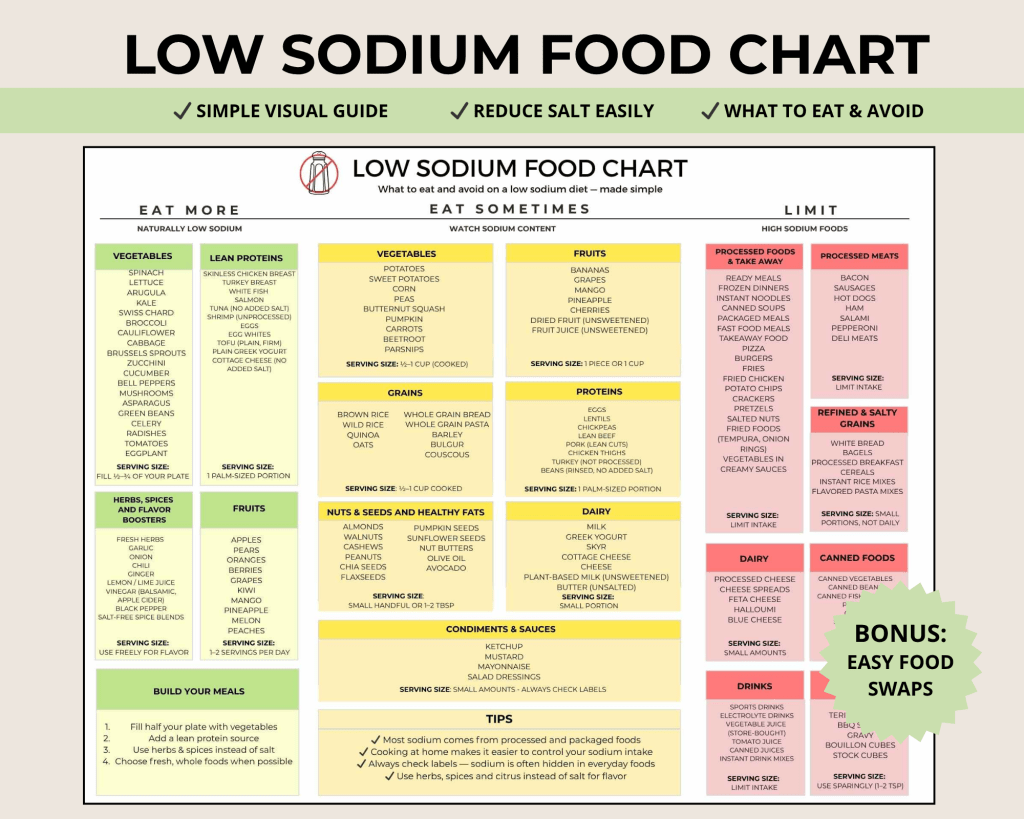
If you want a quick, visual way to keep track of what to eat and what to limit, I’ve created a printable
Low Sodium Food Chart that makes it easy to make better choices at a glance.
 Nordic Table
Leave a comment