
Menopause is more than the end of your menstrual cycle. It’s a time of hormonal shifts that affect the entire body, from metabolism and sleep to mood and bone health.
Menopause is a natural biological transition, but the changes happening inside the body can feel anything but simple. It’s officially defined as the time when menstrual cycles stop permanently, but the process begins years earlier — during perimenopause — as hormone levels start to shift.
Estrogen and Progesterone Decline
The most significant change during menopause is the gradual decline in estrogen and progesterone. These hormones influence far more than reproduction — they play a role in metabolism, bone health, brain function, mood regulation, and even body temperature control. As levels drop, the body needs time to adapt.
Changes in Metabolism and Body Composition
Lower estrogen levels can affect how the body stores fat and uses energy. Many women notice weight gain, especially around the abdomen, even without changes in diet or activity. Muscle mass also tends to decrease more quickly, which can slow metabolism further if protein intake and strength training aren’t prioritized.
Temperature Regulation and Hot Flashes
Estrogen helps regulate the body’s internal thermostat. When levels fluctuate, the brain can misinterpret normal temperature signals, triggering hot flashes and night sweats. These sudden heat surges can disrupt sleep and daily comfort.
Mood, Brain Fog, and Sleep Changes
Hormonal shifts during menopause affect neurotransmitters like serotonin and dopamine, which influence mood, motivation, and focus. This can lead to mood swings, anxiety, low mood, irritability, or brain fog. Sleep disturbances are also common, often linked to night sweats or changes in melatonin production.
Bone Density and Joint Health
Estrogen plays a protective role in bone health. As levels decline, bone density can decrease more rapidly, increasing the risk of osteoporosis over time. Some women also experience joint stiffness or aches due to increased inflammation and reduced collagen support.
Digestive and Gut Changes
Hormonal changes can influence digestion, gut motility, and the balance of gut bacteria. This may lead to bloating, constipation, or increased food sensitivities for some women during menopause.
Supporting Your Body Through the Transition
Menopause isn’t a breakdown — it’s a transition. Understanding what’s happening in your body makes it easier to support it with nourishing food, movement, rest, and realistic expectations. Small lifestyle adjustments can go a long way in helping you feel stronger, steadier, and more in tune with your body during this phase.
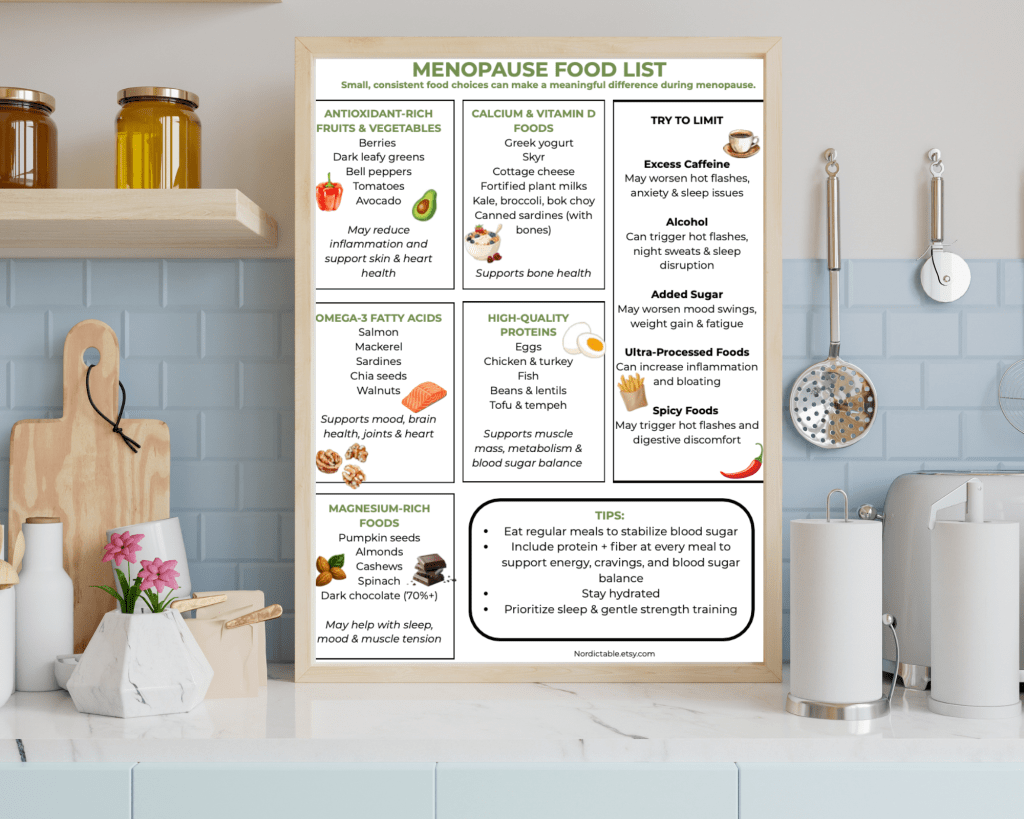
Want to make the right food choices during this transitional time in your life? Try our simple and effective Menopause Food List. You’ll find it here.



 Nordic Table
Leave a comment