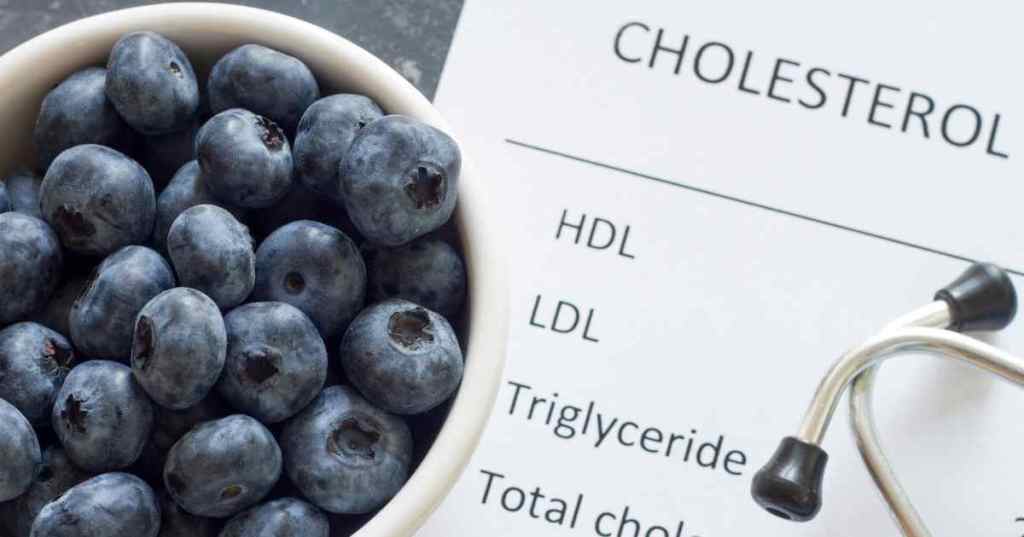
Cholesterol-lowering foods play an important role in supporting heart health. In this guide, you’ll find a simple overview of foods that can help support healthy cholesterol levels, along with practical tips for including them in everyday meals.
If you’ve ever stood in the kitchen wondering whether your meal is helping or hurting your heart, you’re not alone. Cholesterol can feel confusing — especially when advice online is often contradictory or overly strict.
Supporting healthy cholesterol levels doesn’t require extreme diets or cutting out everything you enjoy. Small, consistent food choices can make a real difference over time.
This guide breaks down cholesterol-lowering foods in a simple, practical way — so you can build heart-friendly meals without overthinking every bite.
Understanding Cholesterol
Cholesterol itself isn’t the enemy. Your body needs it — but balance matters.
- LDL cholesterol (“bad” cholesterol) can build up in the arteries when levels are too high
- HDL cholesterol (“good” cholesterol) helps remove excess cholesterol from the bloodstream
What you eat plays a key role in supporting healthy levels of both.
Foods That Help Lower Cholesterol Naturally
1. Fiber-Rich Foods
Soluble fiber helps reduce the absorption of cholesterol in the bloodstream.
Good choices include:
- Oats and oat-based products
- Beans, lentils, and chickpeas
- Fruits like apples, pears, and berries
- Vegetables such as carrots and Brussels sprouts
Even one fiber-rich ingredient added to each meal can help.
2. Healthy Fats
Replacing saturated fats with unsaturated fats is one of the most effective dietary changes for cholesterol.
Focus on:
- Olive oil and rapeseed oil
- Avocados
- Nuts and seeds
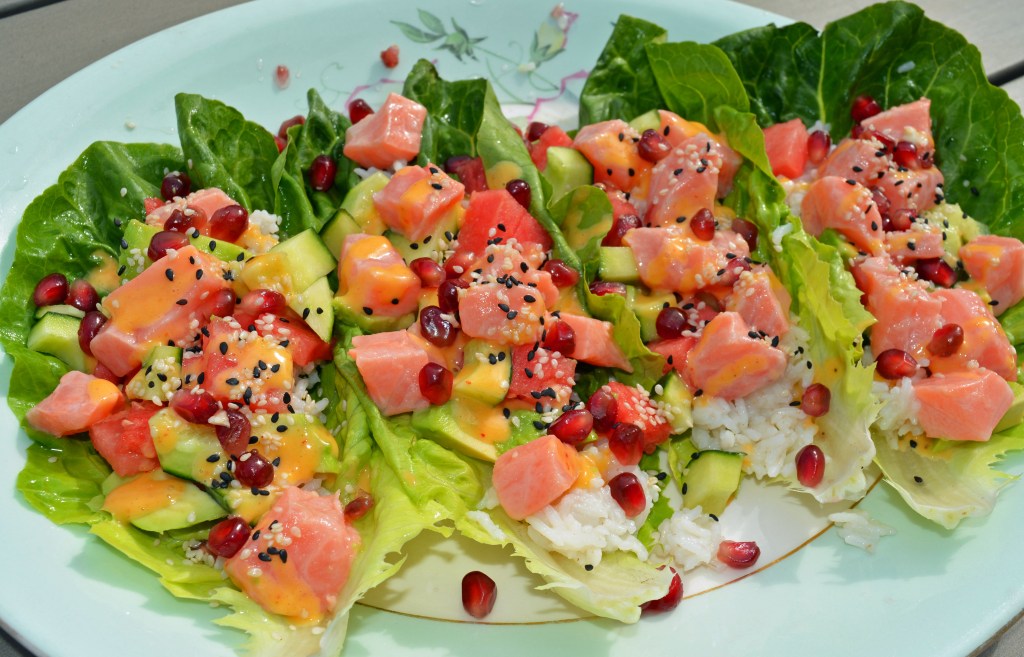
- Fatty fish like salmon and mackerel
These fats support heart health without feeling restrictive.
3. Plant-Based Protein Sources
Plant proteins are naturally cholesterol-free and often high in fiber.
Try incorporating:
- Lentils and beans
- Tofu and tempeh
- Chickpeas and peas
You don’t need to eliminate animal products — just balance them with plant-based options.
4. Foods Rich in Omega-3 Fatty Acids
Omega-3s don’t lower LDL directly, but they support overall heart health and can reduce inflammation.
Good sources include:
- Fatty fish
- Walnuts
- Chia seeds and flaxseeds
Including these a few times per week is enough to see benefits.
Foods to Limit
You don’t need to be perfect. But limiting certain foods can help keep cholesterol levels in check:
- Highly processed meats
- Foods high in saturated fat
- Baked goods made with butter or shortening
- Ultra-processed snacks
Think less often, not never.
Remembering all of this information can feel overwhelming — especially in everyday life.
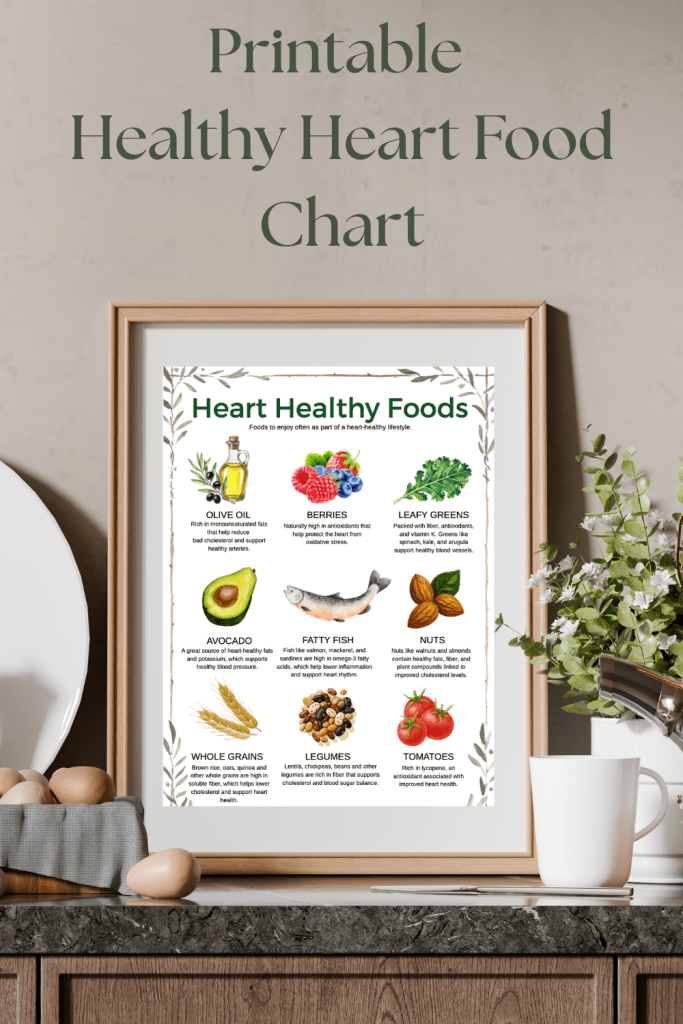
That’s why visual guides work so well.
A healthy heart food chart gives you a quick overview of:
- Foods to eat more often
- Foods to enjoy in moderation
- Simple swaps for better heart health
Keeping a visual guide in your kitchen makes healthier choices feel automatic, not stressful.
 Nordic Table
Leave a comment