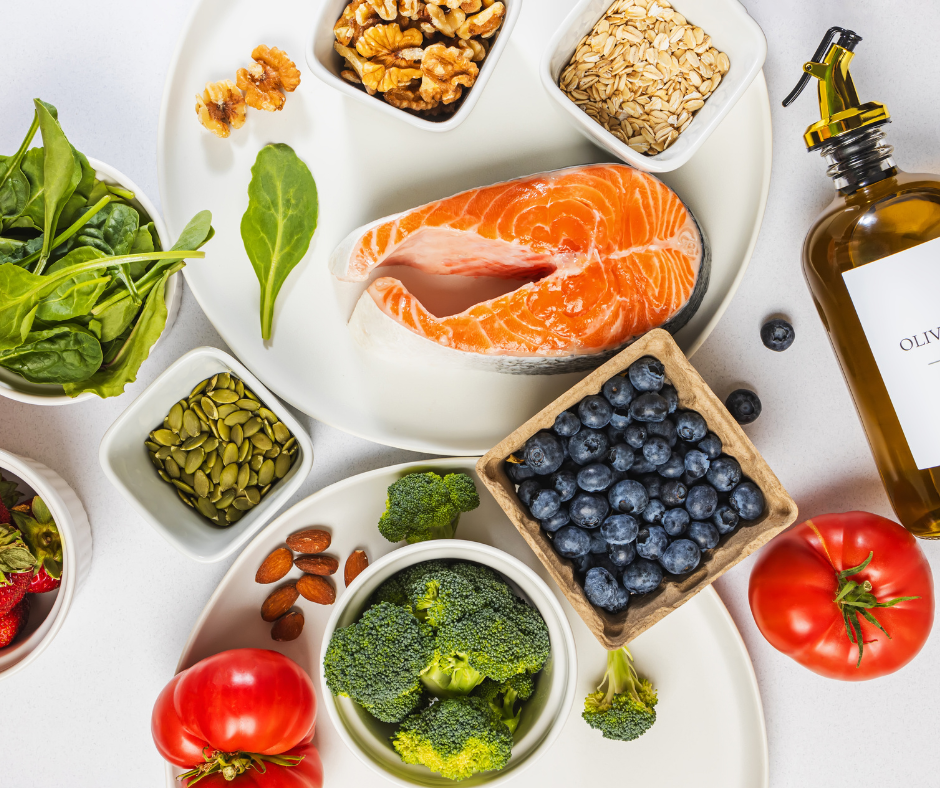
Anti-inflammatory foods can help reduce chronic inflammation, support gut health, and improve overall wellbeing. In this guide, you’ll learn what anti-inflammatory foods are and how to easily include them in your everyday diet.
Inflammation is a natural and important process in the body. It helps us heal injuries and fight infections. But when inflammation becomes chronic, it can quietly contribute to fatigue, joint pain, digestive issues, hormonal imbalance, and long-term health problems.
The good news? What you eat plays a powerful role in either fueling or calming inflammation. By choosing more anti-inflammatory foods, you can support your body’s natural balance — without extreme diets or restrictions.
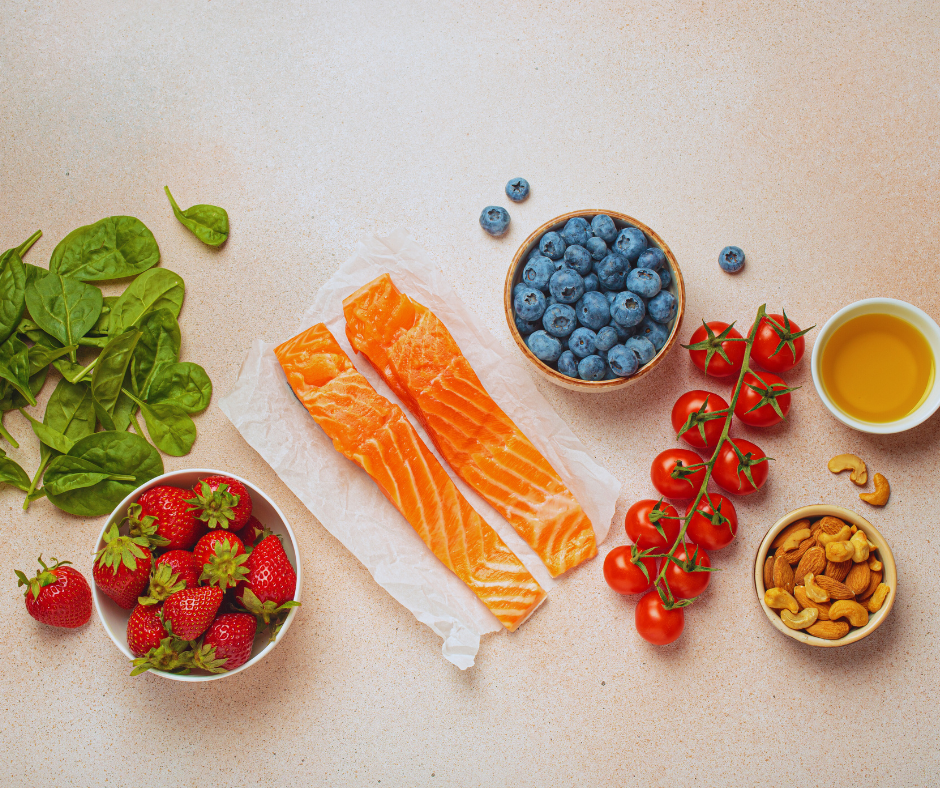
What Are Anti-Inflammatory Foods?
Anti-inflammatory foods are ingredients that help reduce chronic, low-grade inflammation in the body. They are typically rich in:
- Antioxidants
- Healthy fats
- Fiber
- Phytonutrients (plant compounds)
These nutrients work together to protect cells, support gut health, stabilize blood sugar, and reduce oxidative stress — all key factors linked to inflammation.
Key Anti-Inflammatory Foods to Focus On
1. Colorful Vegetables
Vegetables are the foundation of an anti-inflammatory diet.
- Leafy greens (spinach, kale, arugula)
- Broccoli, cauliflower, cabbage
- Peppers, carrots, tomatoes
Aim for variety and color — different colors provide different protective compounds.
2. Berries and Fruits
Berries are especially powerful due to their high antioxidant content.
- Blueberries, raspberries, strawberries
- Apples, citrus fruits, cherries
They help counter oxidative stress and support immune health.
3. Healthy Fats
Not all fats are created equal.
- Olive oil (extra virgin)
- Avocado
- Nuts and seeds
- Fatty fish (salmon, mackerel, sardines)
Omega-3 fatty acids are particularly known for their anti-inflammatory effects.
4. Whole Grains and Fiber-Rich Foods
Fiber supports gut health, which is closely linked to inflammation.
- Oats
- Brown rice
- Quinoa
- Lentils and beans
A healthy gut microbiome helps regulate immune responses.
5. Herbs, Spices, and Flavor Boosters
Small additions can make a big difference.
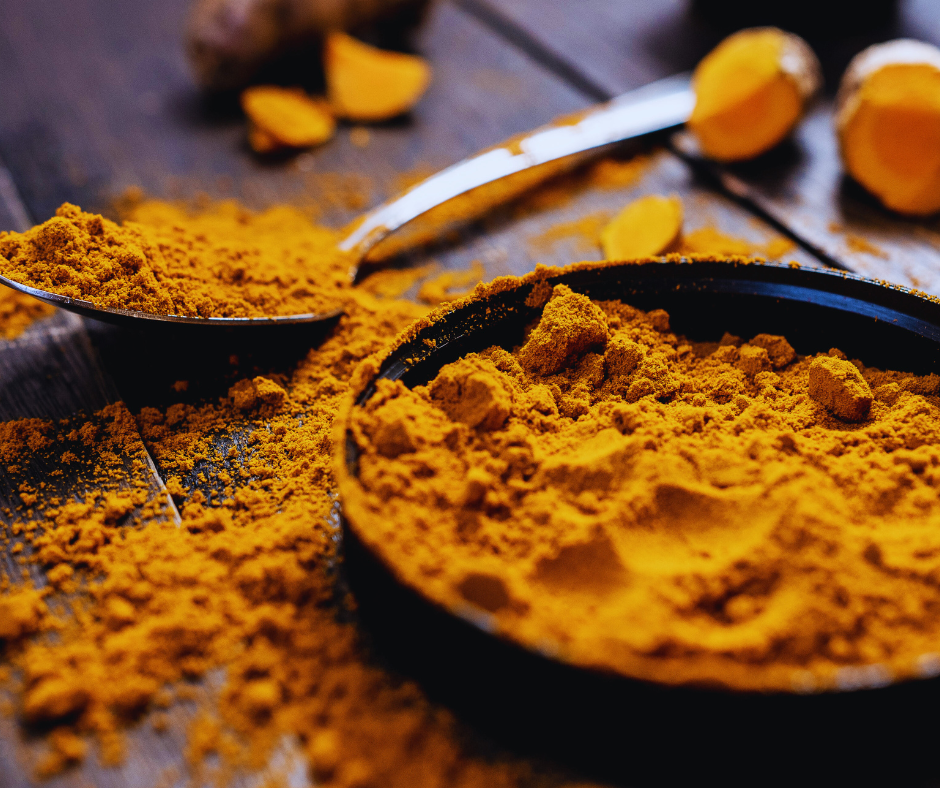
- Turmeric
- Ginger
- Garlic
- Cinnamon
These are easy to add to everyday cooking and pack a surprising nutritional punch.
Foods That May Promote Inflammation
While balance matters more than perfection, it can help to limit:
- Highly processed foods
- Refined sugars
- Excessive refined carbohydrates
- Trans fats
The goal isn’t restriction — it’s crowding out inflammatory foods by eating more nourishing ones.
How to Incorporate Anti-Inflammatory Foods Daily
You don’t need to overhaul your diet overnight. Start small and build habits that stick.
- Add one extra vegetable to each meal
- Swap butter for olive oil where possible
- Include fatty fish 1–2 times per week
- Use herbs and spices generously
- Build meals around whole foods, not labels
Consistency matters more than perfection.
A Simple Way to Stay on Track
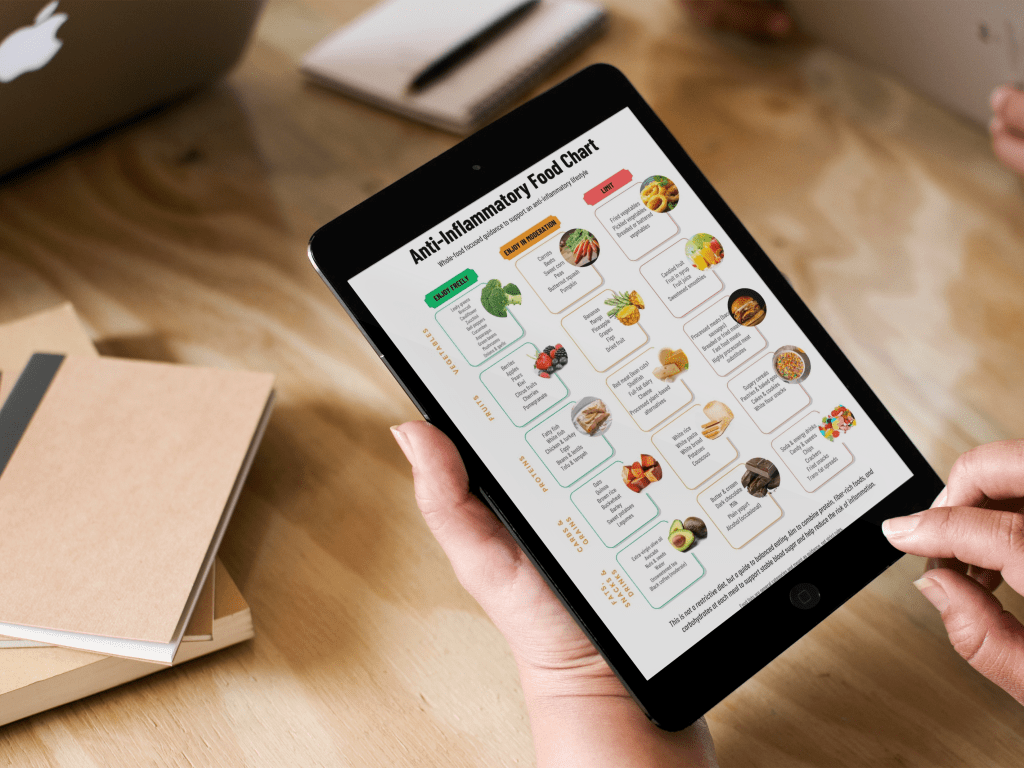
If you want an easy, visual way to remember which foods support an anti-inflammatory lifestyle, having a clear food reference can be incredibly helpful — especially when meal planning or grocery shopping.
That’s exactly why I created my Anti-Inflammatory Food Chart: a simple, at-a-glance guide showing supportive foods and ingredients you can mix and match in everyday meals.
It’s designed to make healthy choices feel clear, calm, and doable — not overwhelming.
 Nordic Table
Leave a comment