
Protein is one of the most talked-about nutrients — but how much do you actually need? Between fitness advice, diet trends, and conflicting recommendations, it’s easy to feel confused. In this guide, we’ll break down what protein is, why it matters, and how much protein you really need — in a simple, realistic way that fits everyday life.
Quick guideline: How much protein do you really need?
Most healthy adults benefit from around 1.2–1.6 g of protein per kg of body weight per day, depending on activity level. Active people may need more.
What are proteins?
Proteins are one of the three main macronutrients, alongside carbohydrates and fats. They are made up of smaller building blocks called amino acids, which the body uses to build and repair tissues.
In everyday terms, protein helps your body:
- Maintain and build muscle
- Support recovery after activity
- Produce hormones and enzymes
- Support immune function
- Stay full and satisfied after meals
Because the body doesn’t store protein the same way it stores fat or carbohydrates, we need to eat protein regularly through our diet.
Why Protein Is Important for the Body
Protein isn’t just for athletes or people trying to change their body composition. It plays an important role for most people — especially if you’re active, busy, or want meals that keep you full for longer.
Adequate protein intake can help:
- Support steady energy levels
- Reduce excessive snacking by increasing satiety
- Maintain muscle as you age
- Support recovery from daily movement and exercise
This is why many people feel better when their meals include a clear protein source — even without tracking numbers.
How much protein do you need per day?
This is where things often get confusing, because recommendations vary depending on who you ask.
General guidelines
- Sedentary adults: around 0.8 g of protein per kg body weight per day
- Active individuals: roughly 1.2–1.6 g per kg body weight
- Very active or strength training regularly: sometimes up to 1.6–2.0 g per kg
These numbers are estimates, not strict rules. They’re meant to give a range, not a target you must hit perfectly every day.
Do you need to track protein to get enough?
For most people, the answer is no.
Instead of counting grams, many find it more helpful to:
- Include a clear protein source at each main meal
- Build meals around foods like eggs, fish, meat, dairy, tofu, or legumes
- Pay attention to fullness, energy, and consistency over time
Tracking can be useful for some, but it’s not required to eat well or meet your needs.
Can you eat too much protein?
For healthy individuals, eating more protein than the minimum recommendation is generally not a problem when it comes from normal food sources.
The bigger issue tends to be:
- Protein crowding out other nutrients
- Diets becoming unnecessarily restrictive
- Stress around “hitting numbers”
Balance matters more than extremes.

Simple Ways to Get Enough Protein Daily
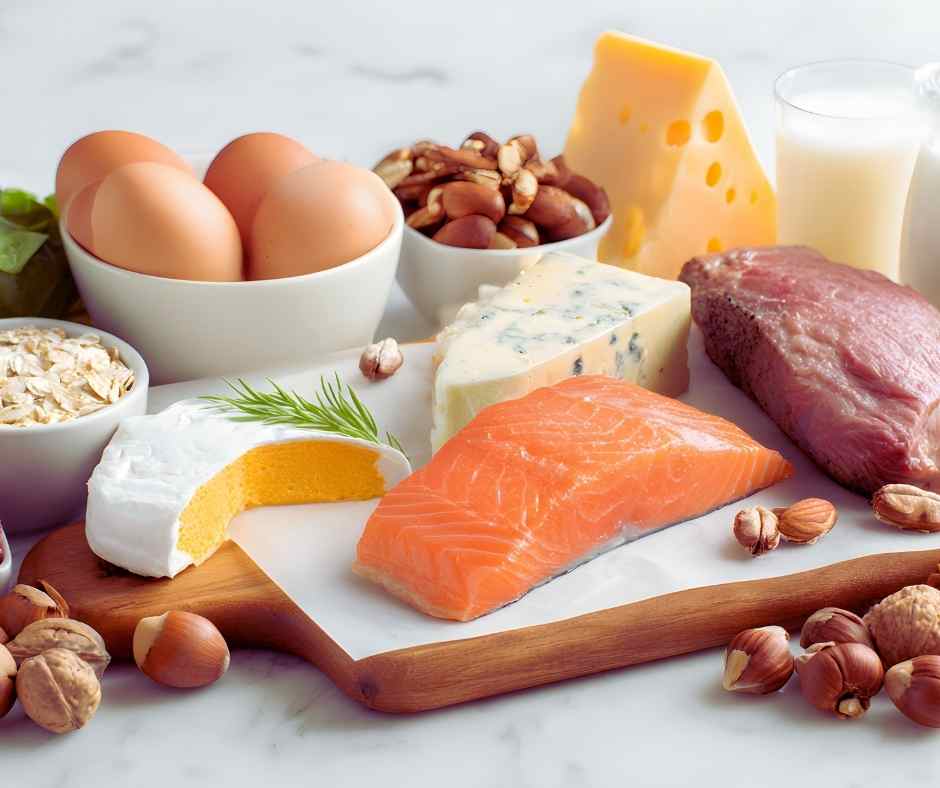
Protein supplements can be convenient, but they’re not necessary for most people. Many everyday foods already provide plenty of protein:
- Eggs
- Fish and seafood
- Chicken, turkey, beef
- Greek yogurt and cottage cheese
- Cheese
- Tofu, tempeh
- Lentils, beans, chickpeas
Building meals around these foods is often enough to meet protein needs without powders or bars.
Instead of asking:
“Am I eating exactly the right amount of protein?”
Try asking:
- Does each meal include a protein source?
- Do I feel satisfied after eating?
- Am I consistent most days?
If yes, you’re likely doing just fine.
Bringing it into everyday practice
Understanding protein is one thing — using that knowledge daily is another. That’s where simple structure can help.
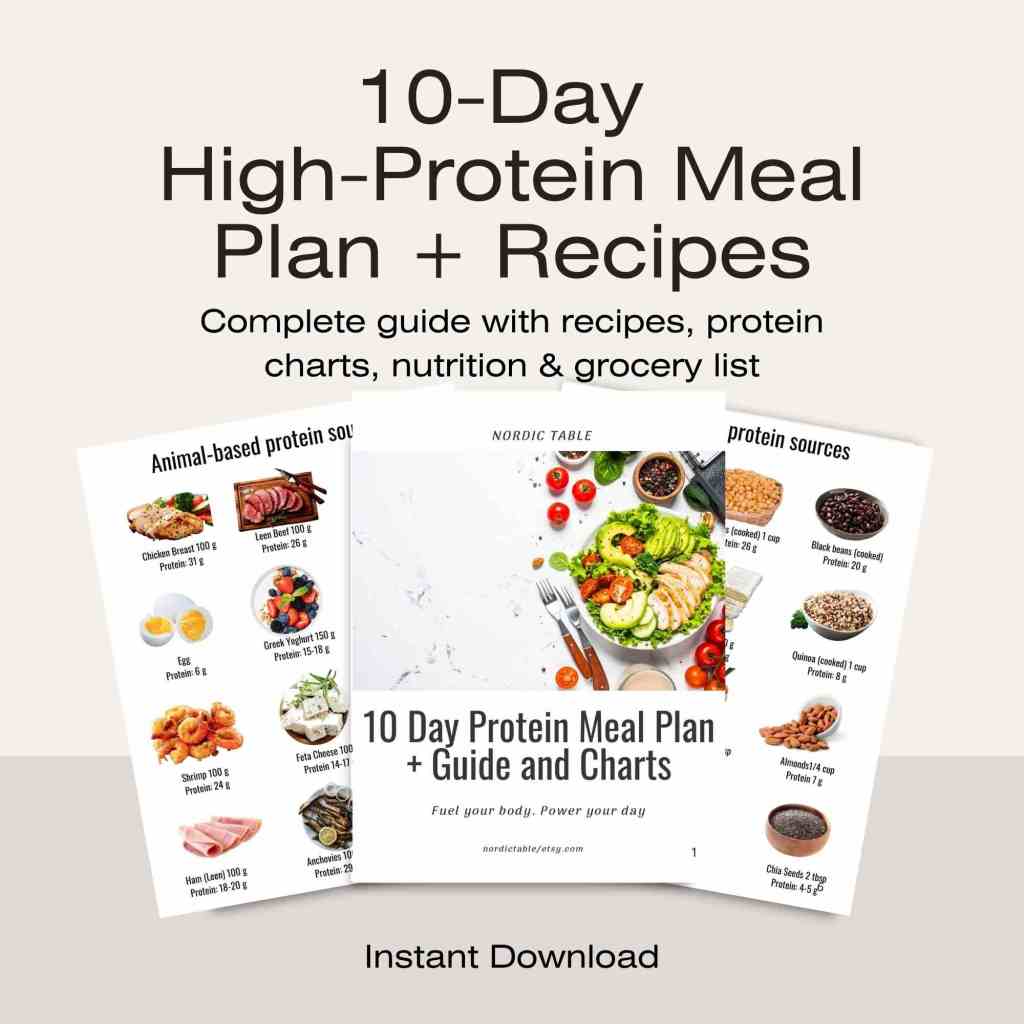
The idea behind the 10-Day High-Protein Meal Plan from Nordic Table is to show what protein-focused eating looks like in real life — with balanced meals, visual protein guides, and everyday ingredients, without strict rules or tracking.



 Nordic Table
Leave a comment