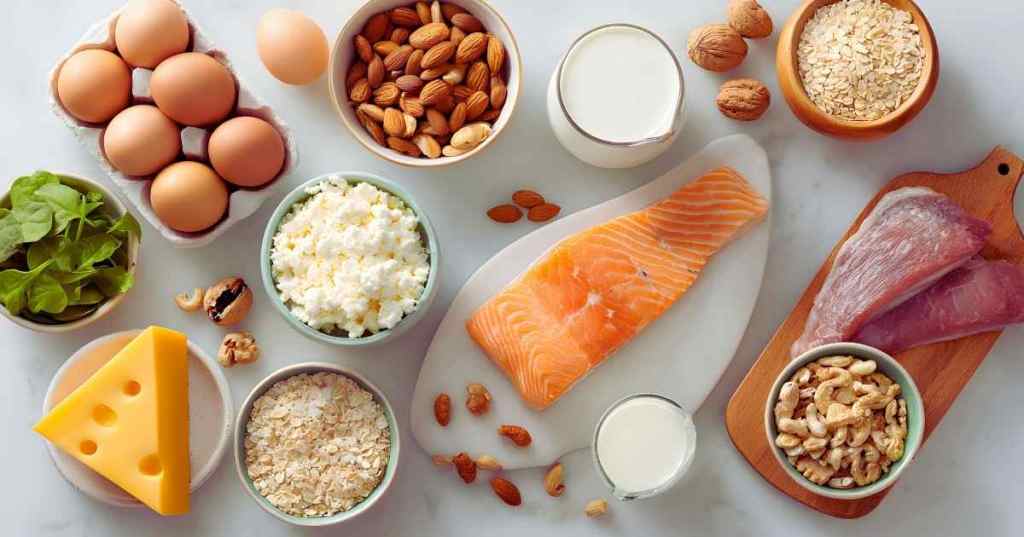
If you’ve ever wondered whether you’re getting enough protein, you’re not alone — and it doesn’t have to involve tracking or strict rules.
You don’t need to turn every snack into a high-protein project. Instead, focus on your main meals — breakfast, lunch, and dinner.
A good rule of thumb:
- Include one clear protein source at each meal
- Build the rest of the plate around it
Examples:
- Eggs, yogurt, or cottage cheese at breakfast
- Chicken, fish, tofu, or legumes at lunch
- Meat, fish, eggs, or plant protein at dinner
This alone often increases protein intake naturally — without tracking or measuring.
2. Upgrade meals you already eat
One of the easiest ways to eat more protein is to add to what you already like, instead of changing everything.
Simple upgrades:
- Add eggs or Greek yogurt to breakfast
- Include beans, lentils, or chickpeas in salads and bowls
- Add extra chicken, fish, or tofu to familiar dinners
- Choose higher-protein dairy where possible
You don’t need new recipes for every meal — just small tweaks.
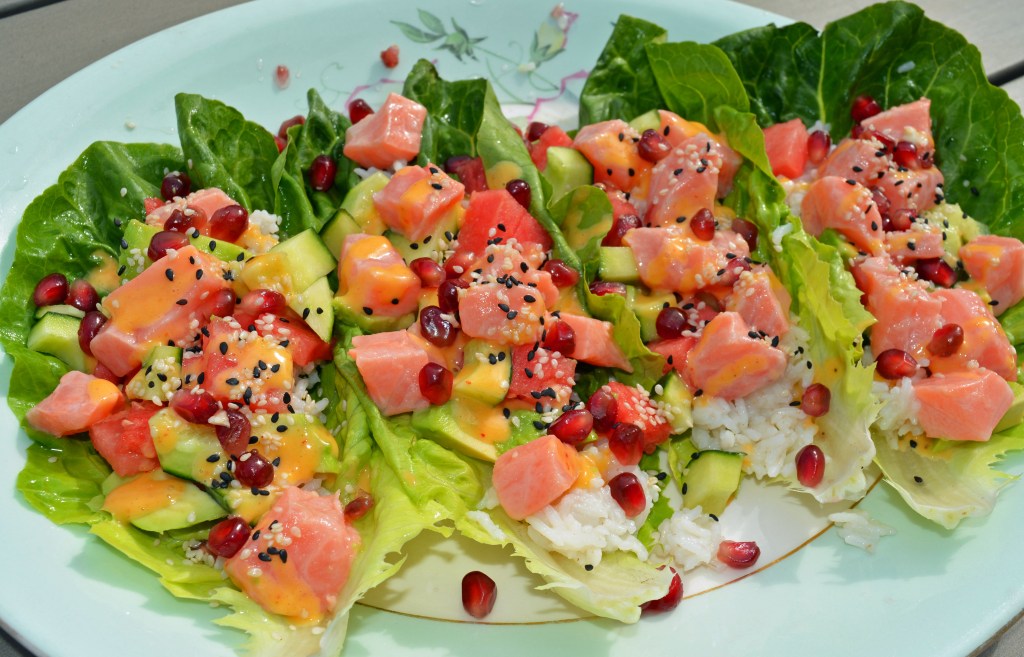
3. Make protein visible on your plate
If protein is “hidden” in a meal, it’s easy to underestimate how much you’re actually getting.
Try this instead:
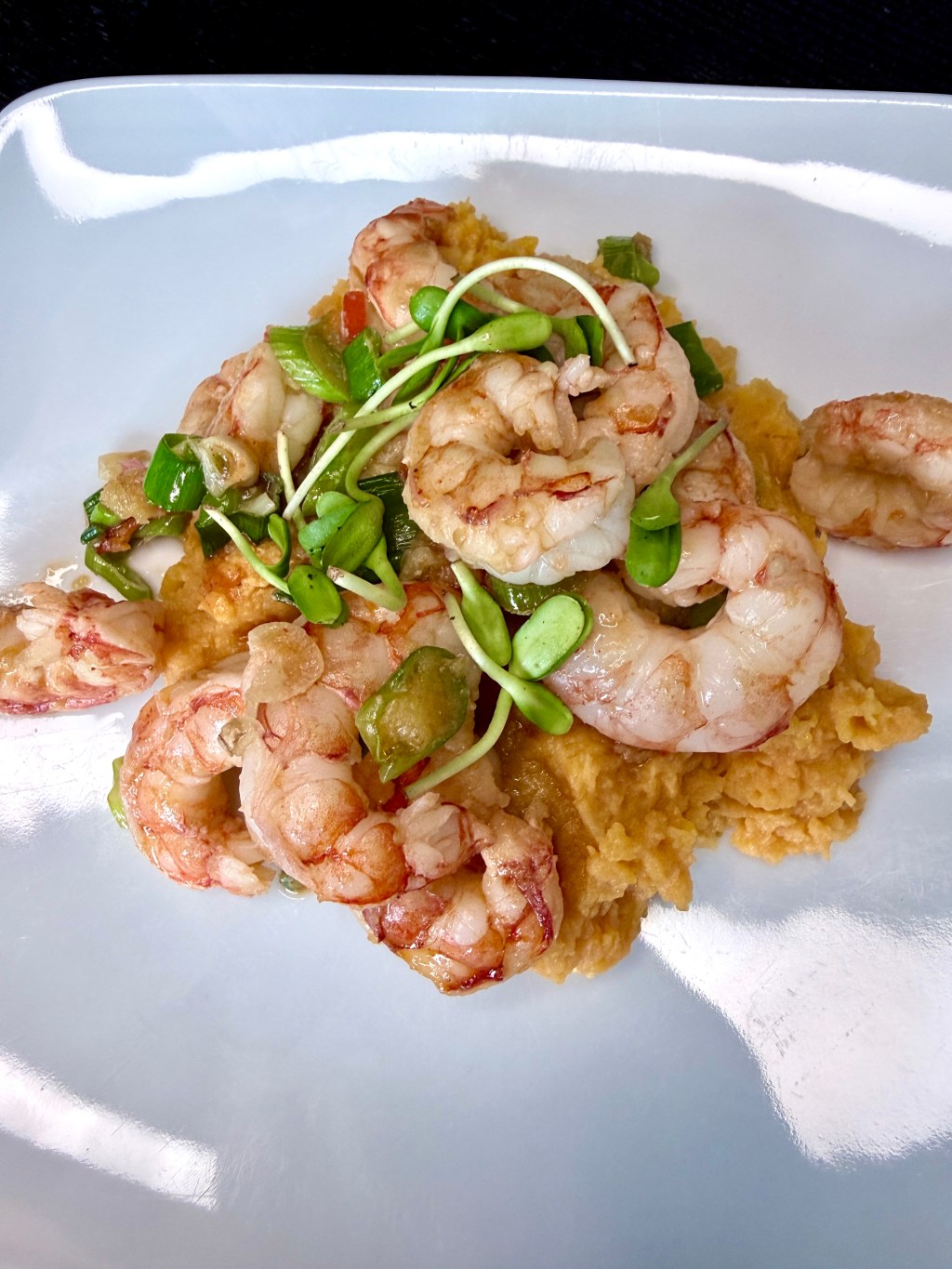
- Let protein be the visual anchor of the plate
- Then add vegetables, grains, or fats around it
This doesn’t mean oversized portions — just clarity. When protein is visible, meals tend to feel more satisfying and balanced.
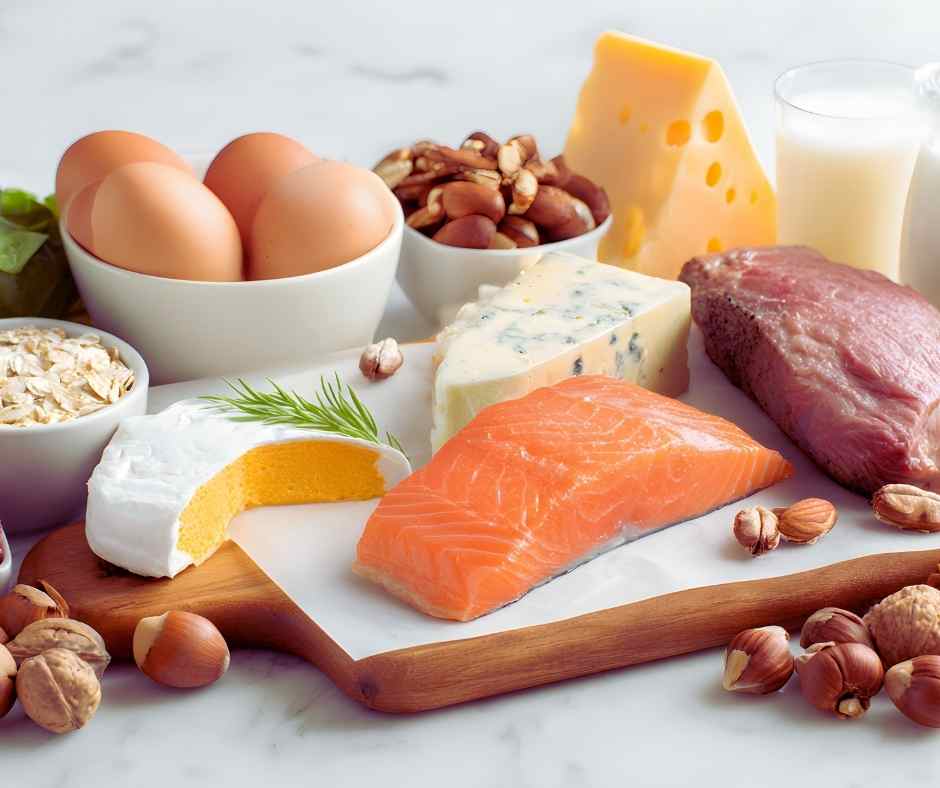
4. Use everyday protein sources (not supplements)
Protein doesn’t have to come from powders or bars. Many everyday foods already contain plenty.
Common, accessible protein sources:
- Eggs
- Chicken, turkey, beef
- Fish and seafood
- Greek yogurt, cottage cheese
- Cheese
- Tofu, tempeh
- Lentils, beans, chickpeas
Supplements can be useful for some people, but most diets can be improved simply by using these foods more intentionally.
5. Don’t fear carbs — balance them
A common mistake is thinking that adding protein means removing carbohydrates completely. That’s rarely necessary and often unsustainable.
Instead:
- Keep carbs, but balance them with protein
- Aim for meals that include both
Protein helps with fullness and recovery, while carbohydrates provide energy. Together, they support consistency — which matters far more than perfection.
6. Plan ahead just a little
You don’t need a strict weekly plan, but some structure helps.
Helpful ideas:
- Know 2–3 protein-rich breakfasts you like
- Have a few go-to lunches and dinners
- Keep protein-rich ingredients available at home
When decisions are easy, consistency follows.

7. Focus on consistency, not numbers
Many people worry about exact grams of protein. While numbers can be useful, they’re not always necessary.
Instead, ask:
- Do my meals include a clear protein source?
- Do I feel full and energized after eating?
- Am I consistent most days?
If the answer is yes, you’re likely doing better than you think.
Bringing it all together
Adding more protein to your diet doesn’t require strict rules, calorie tracking, or drastic changes. It’s about small, repeatable habits that fit into everyday life.
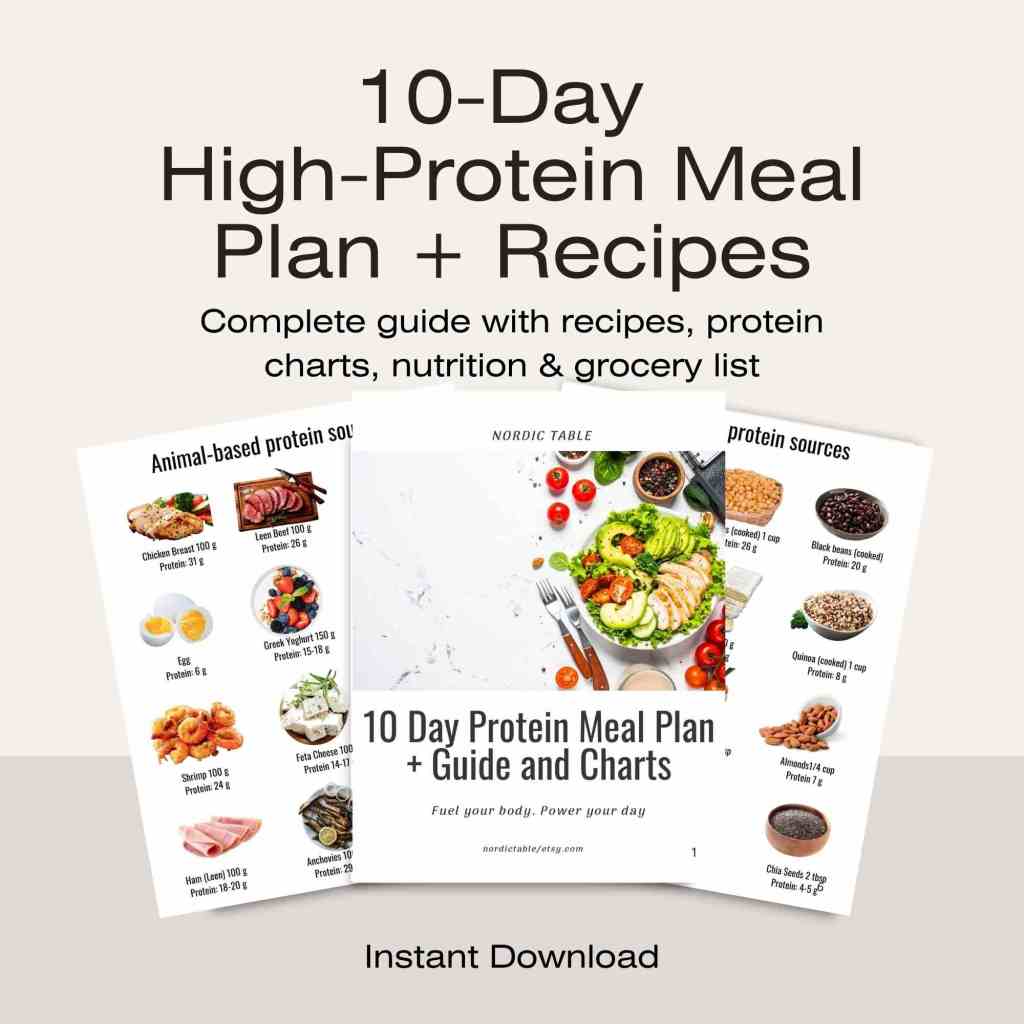
That’s also the idea behind the 10-Day High-Protein Meal Plan from Nordic Table — a simple, flexible guide with:
- Balanced, everyday meals
- Clear protein guidance and visual charts
- Easy recipes and a complete grocery list
It’s designed to help you eat well without overthinking — and to show what protein-focused eating actually looks like in real life.

 Nordic Table
Leave a comment