
Low-carb diets have become increasingly popular—but what do they actually involve, and why do they work so well for some people? In this article, we break down what a low-carb diet is, how it works, and the potential benefits it can offer if you’re looking for better energy, fewer cravings, or a more balanced way of eating.
A low-carb diet is a way of eating that focuses on reducing carbohydrates—such as sugar, bread, pasta, rice, and pastries—while prioritizing protein, healthy fats, and nutrient-dense vegetables. Instead of using carbs as the main energy source, the body learns to rely more on fat and protein for fuel.
Low-carb eating isn’t a one-size-fits-all approach, but for many people it can be a helpful and sustainable way to improve health, manage weight, and stabilize energy levels.
What Does “Low Carb” Actually Mean?
There is no single definition, but most low-carb diets generally:
- Reduce refined carbs and added sugars
- Focus on whole foods
- Emphasize protein, vegetables, and healthy fats
Some people follow moderate low-carb eating, while others prefer stricter versions. The key is reducing processed carbohydrates rather than eliminating entire food groups without reason.

Foods Commonly Included
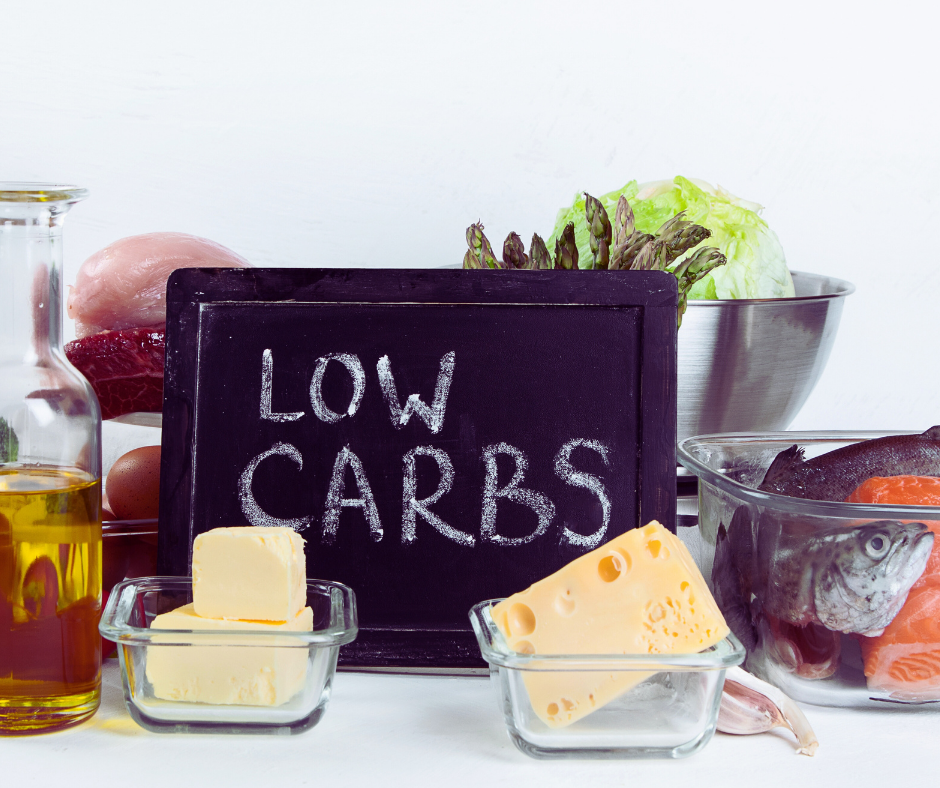
- Meat, poultry, fish, eggs
- Vegetables (especially leafy greens and non-starchy veggies)
- Healthy fats (olive oil, avocado, nuts, seeds)
- Dairy (cheese, yogurt – depending on tolerance)
Foods Often Limited
- Sugar and sweets
- White bread, pasta, rice
- Pastries, cakes, cookies
- Sugary drinks and juices
Why Can a Low-Carb Diet Be Beneficial?
1. May Support Weight Loss
Reducing carbs often leads to lower calorie intake without constant hunger, since protein and fat are more filling. Many people find it easier to eat mindfully and avoid overeating.
2. Helps Stabilize Blood Sugar
Low-carb diets can reduce blood sugar spikes and crashes, which may be especially beneficial for people with insulin resistance or type 2 diabetes (always consult a healthcare professional).
3. Can Reduce Cravings
By limiting sugar and refined carbs, many people notice fewer cravings and more stable energy throughout the day.
4. Promotes Satiety
Protein-rich meals help you feel full longer, which can make it easier to stick to regular meals without constant snacking.
5. May Improve Energy Levels
Instead of quick energy highs followed by crashes, low-carb eating often provides more consistent energy, especially once the body adapts.
Who Might Benefit Most from Low-Carb Eating?
A low-carb diet can be helpful for:
- People trying to lose or maintain weight
- Those with blood sugar issues
- People who struggle with sugar cravings
- Anyone wanting more stable energy and fewer crashes
That said, it’s not ideal for everyone. Athletes with high carb demands or people with certain medical conditions may need a different approach.
Is Low Carb the Same as Keto?
Not exactly. Keto is a very strict low-carb diet that aims to put the body into ketosis. A low-carb diet is more flexible, allowing more vegetables, fruit, and balanced meals—making it easier for many people to maintain long-term.
A Balanced Approach Matters
A healthy low-carb diet should still be:
- Rich in vegetables
- Balanced in nutrients
- Sustainable over time
The goal isn’t to fear carbs, but to choose better ones and reduce those that offer little nutritional value.
Listen to your body
A low-carb diet can be a powerful tool for some people—but the best diet is always the one you can stick to and feel good on. Focusing on whole foods, listening to your body, and choosing balance over extremes is what truly creates lasting results.
If you’re curious about trying low-carb eating, start small—swap refined carbs for vegetables and protein-rich meals, and see how your body responds
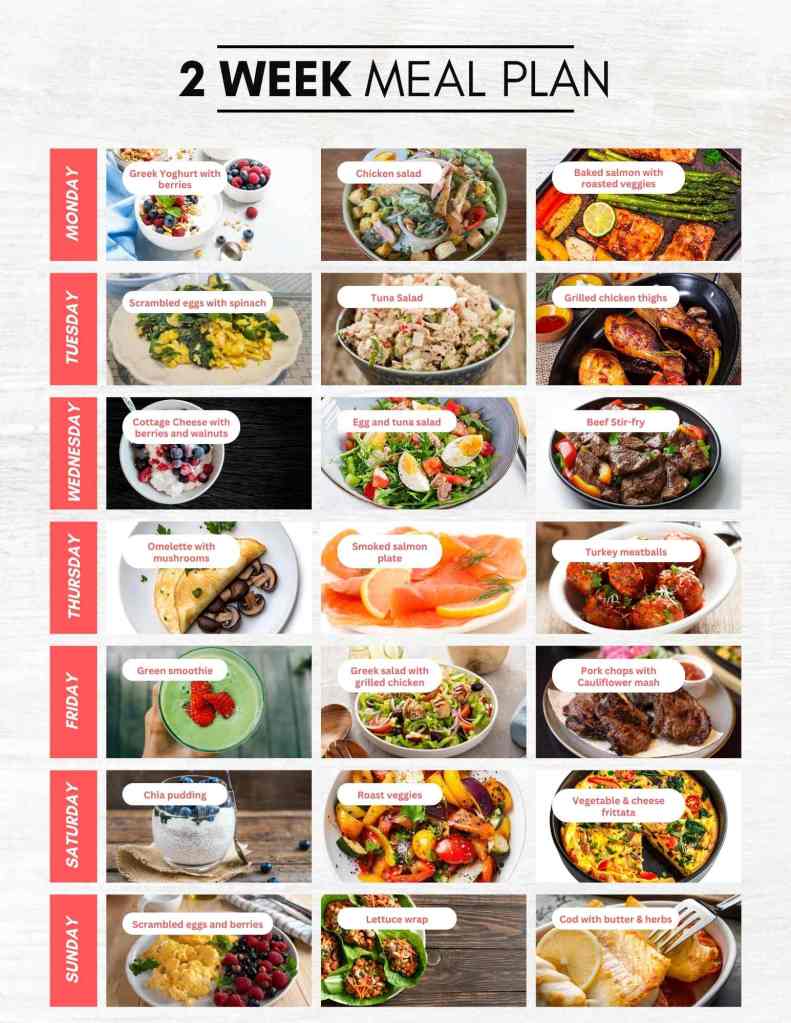
Looking for an easy way to get started? My Low-Carb Meal Plan takes the guesswork out of planning, with balanced, flavorful meals designed to keep you full, energized, and consistent—perfect if you want structure without restriction.



 Nordic Table
Leave a comment