If you’ve tried to lose weight before, you know how easy it is to fall back into old patterns. Sustainable weight loss isn’t about perfection, but about small changes that can be repeated over time. Here are ten tips to help you build habits that actually last
1. Focus on habits, not deadlines
Temporary goals often lead to temporary results. Instead of asking “How fast can I lose weight?”, ask “What can I do consistently for the next year?”
Small, repeatable habits always win over short bursts of extreme effort.
2. Eat regular, balanced meals
Skipping meals or eating too little during the day often leads to overeating later.
Aim for regular meals that include:
- Protein
- Fiber-rich carbohydrates
- Healthy fats
This helps stabilize blood sugar and reduces cravings.
3. Prioritize protein at every meal
Protein supports muscle mass, keeps you full longer, and helps regulate appetite.
You don’t need extreme amounts — just make protein a visible part of each meal.
4. Don’t label foods as “good” or “bad”
Long-term weight loss requires flexibility. When foods are forbidden, they often become harder to control.
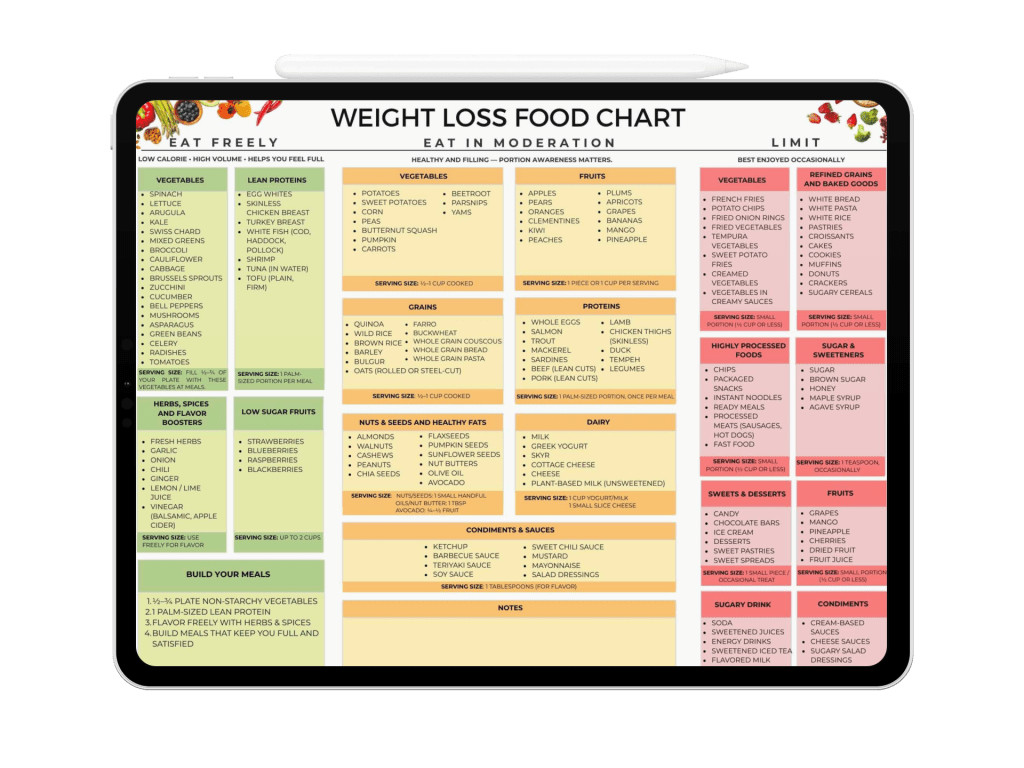
Instead, think in categories like:
- Eat freely
- Eat often
- Eat in moderation
- Limit occasionally
This mindset removes guilt and supports balance.
5. Create structure — not perfection
Structure is one of the most underrated tools for weight loss.
Simple meal plans, grocery lists, and clear food guidelines reduce decision fatigue and emotional eating — without requiring perfection.
6. Move your body in ways you enjoy
Exercise doesn’t have to be intense to be effective.
Walking, strength training, swimming, cycling, or home workouts all count. The best movement is the one you’ll actually stick to.

7. Build muscle, don’t just chase the scale
Muscle supports your metabolism and improves body composition.
Strength training a few times per week can make weight loss more sustainable — even if the scale doesn’t drop immediately.
8. Sleep and stress matter more than you think
Poor sleep and chronic stress increase hunger hormones and cravings.
Prioritizing rest is not a luxury — it’s a core part of sustainable weight loss.
9. Allow room for real life
Social events, holidays, and weekends are part of life.
A plan that only works on “perfect” days will eventually fail. Build flexibility into your routine so you don’t have to start over every Monday.
10. Think long-term — always
Permanent weight loss happens when your habits feel normal, not forced.
If you can imagine yourself eating and living this way six months from now, you’re on the right track.
A gentle note on support tools
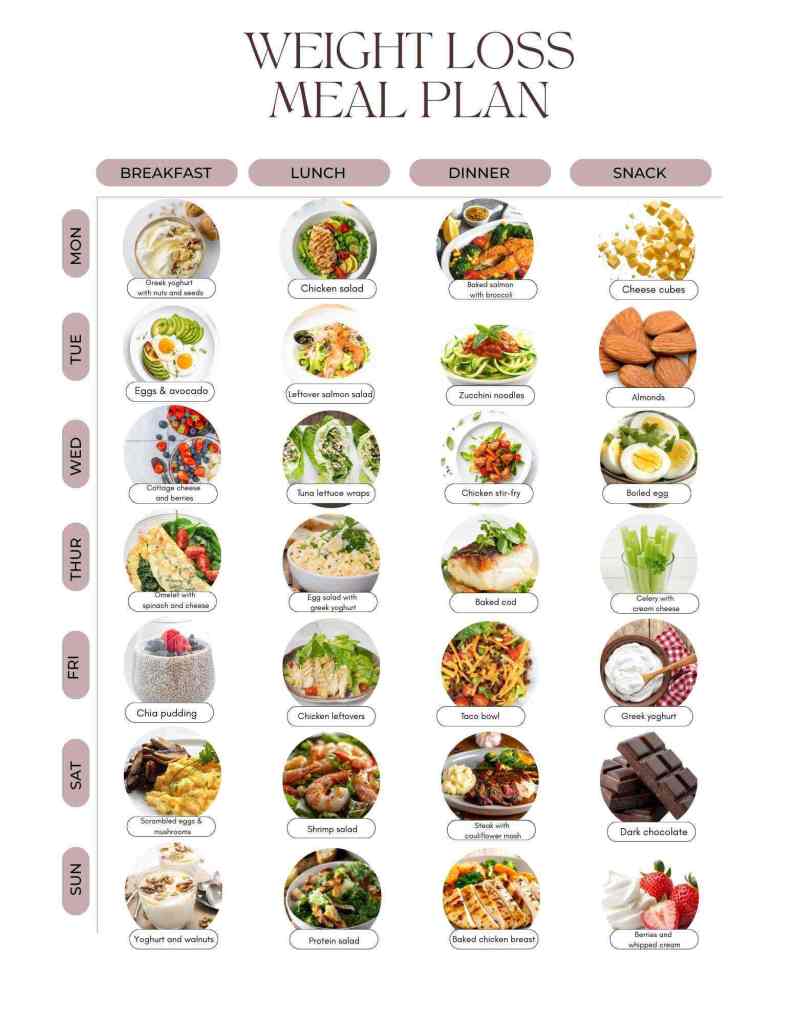
If you find that structure helps you stay consistent, simple tools like short meal plans or visual food charts can make everyday decisions easier — without feeling restrictive.
On Nordic Table, I’ve created:
- a 1-week weight loss meal plan for simple, balanced meals
- a weight loss food chart that helps you understand what to eat freely, often, in moderation, and occasionally
Both are designed to support long-term habits — not quick fixes.


 Nordic Table
Leave a comment