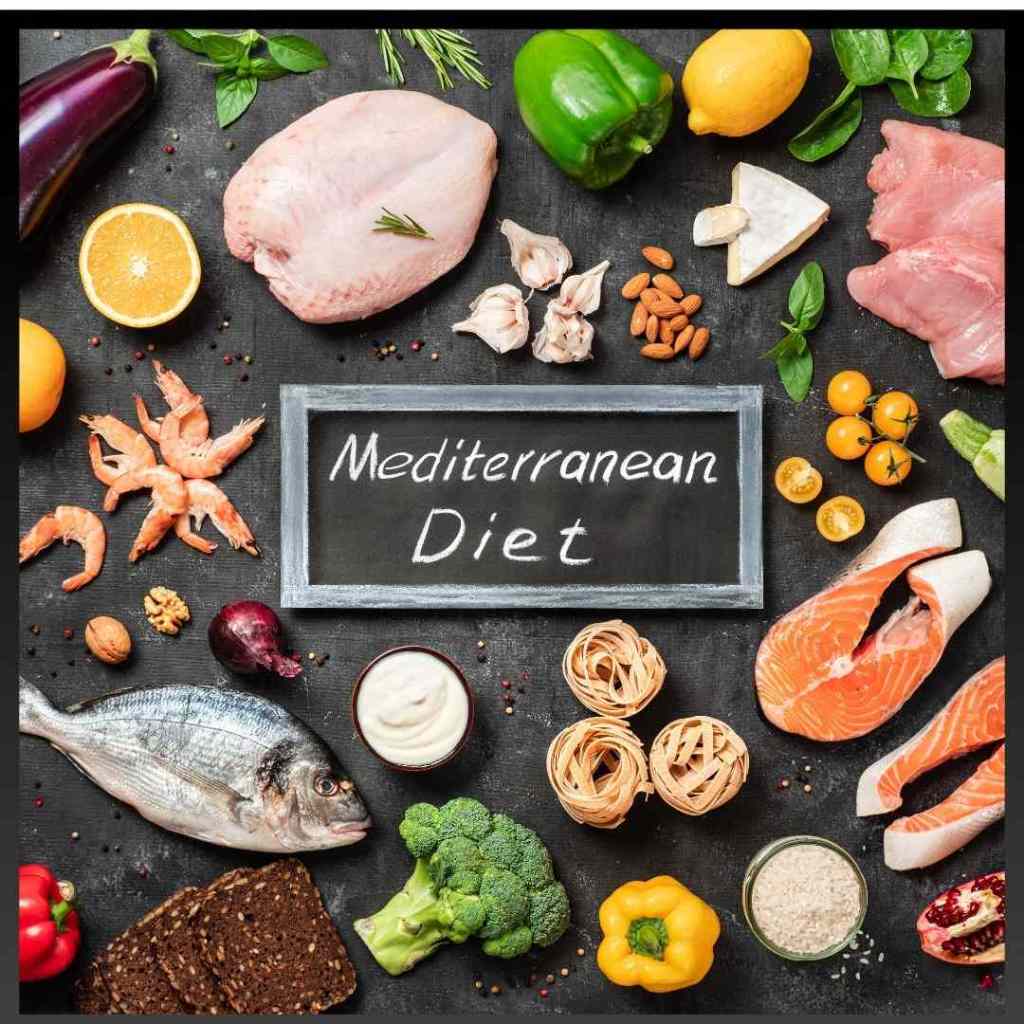
The Mediterranean diet is often described as one of the healthiest eating patterns in the world — but what does it actually mean in everyday life? Is it a strict diet, a list of rules, or something more flexible?
In reality, the Mediterranean diet is less about restriction and more about how food fits into daily life. It’s based on traditional eating habits from countries bordering the Mediterranean Sea and focuses on whole foods, balance, and enjoyment rather than calorie counting or cutting out entire food groups.
The Origins of the Mediterranean Diet
The Mediterranean diet isn’t a modern invention. It’s inspired by traditional eating patterns from places like Greece, southern Italy, Spain, and parts of France — regions where people historically enjoyed long lifespans and lower rates of diet-related diseases.
Researchers began studying these eating habits in the mid-20th century and noticed common themes: meals built around vegetables, healthy fats, and simple, minimally processed foods, often enjoyed slowly and socially.
Core Principles of the Mediterranean Diet
Rather than focusing on numbers or macros, the Mediterranean diet is built around a few simple principles.
1. Plenty of Vegetables and Fruits
Vegetables form the foundation of most meals, with fruits enjoyed daily — often as dessert. The emphasis is on variety, seasonality, and freshness.
2. Healthy Fats as a Staple
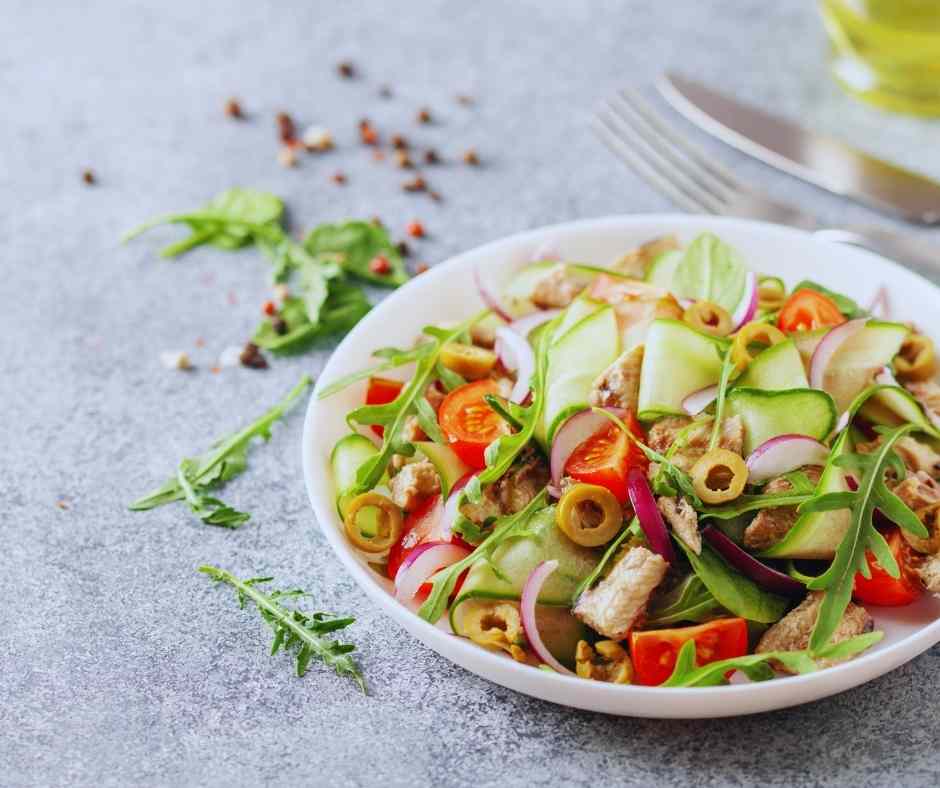
Olive oil is the primary source of fat, replacing butter or margarine in cooking and dressings. Nuts, seeds, and olives also play an important role.
3. Whole Grains and Legumes
Foods like oats, barley, brown rice, lentils, and chickpeas are commonly included. These provide fiber and help create filling, balanced meals.
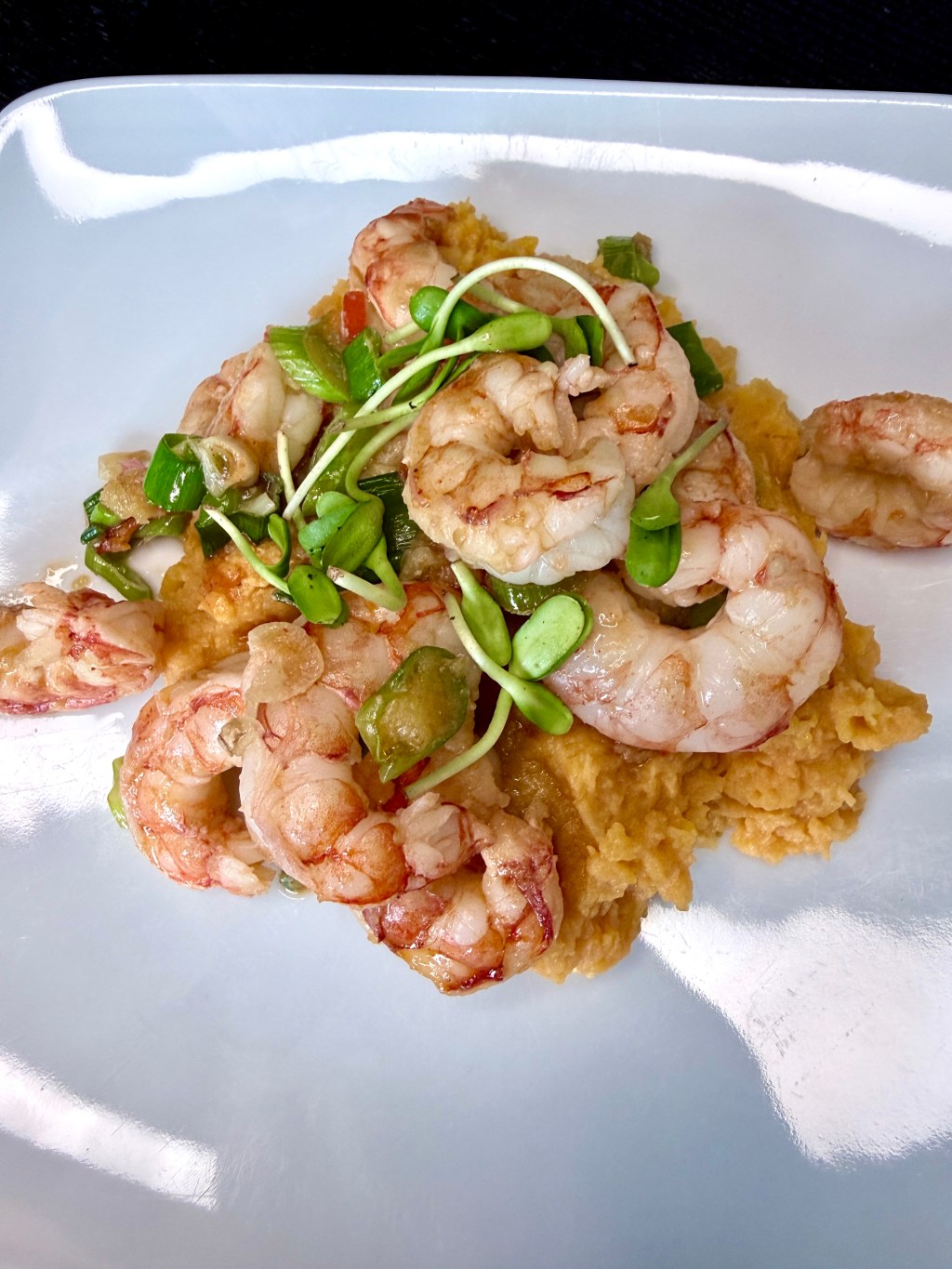
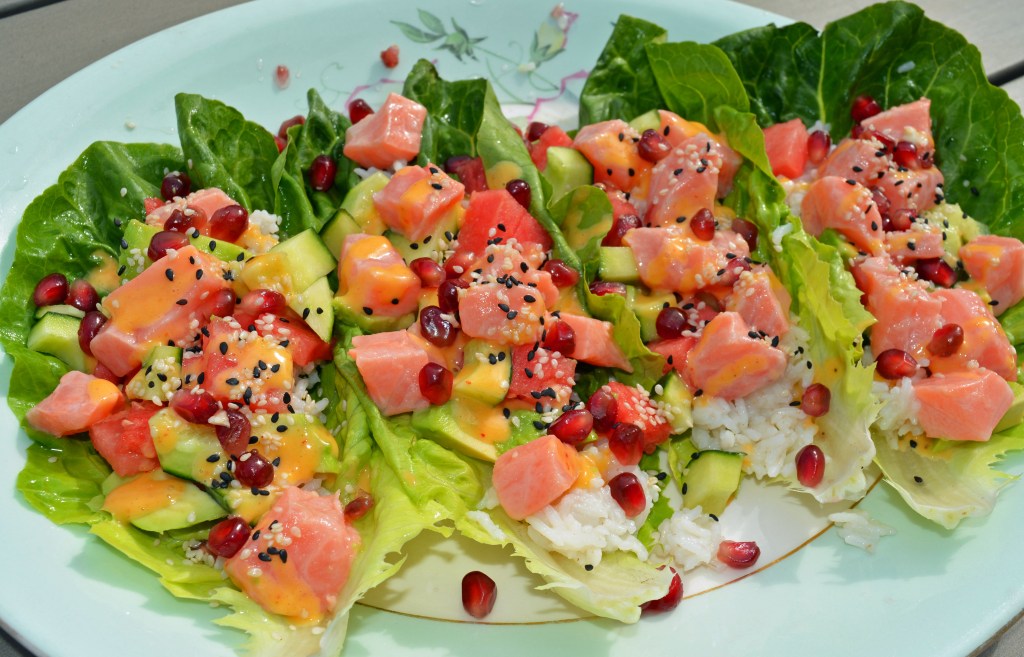
4. Fish and Seafood Regularly
Fish and seafood are eaten often, while red meat is consumed less frequently and in smaller portions.
5. Dairy and Meat in Moderation
Cheese, yogurt, poultry, and eggs are included, but typically in moderate amounts rather than as the main focus of every meal.
6. Minimal Processed Foods and Added Sugar
Highly processed foods, sugary snacks, and sweetened drinks are not a regular part of the traditional Mediterranean way of eating.
Is the Mediterranean Diet a “Low Carb” Diet?
This is a common question — and the answer is no.
The Mediterranean diet includes carbohydrates, but focuses on quality and balance rather than restriction. Whole grains, legumes, fruits, and vegetables are all part of the pattern. Refined carbs and sugary foods are eaten less often, but they’re not treated as forbidden.
This makes the Mediterranean diet more sustainable for many people compared to very restrictive diets.
Why the Mediterranean Diet Is So Popular
One reason the Mediterranean diet continues to be recommended is that it’s realistic. It doesn’t require special products, strict rules, or perfection. Instead, it encourages:
- Balanced meals
- Enjoyment of food
- Flexibility
- Long-term habits rather than short-term fixes
For many people, this makes it easier to maintain over time.

Mediterranean Eating in Everyday Life
Following a Mediterranean-style diet doesn’t mean cooking elaborate meals every day. It can be as simple as:
- Adding more vegetables to meals
- Using olive oil instead of butter
- Choosing fish a few times per week
- Including legumes in soups, salads, or stews
- Limiting highly processed snacks and sugary drinks
Small, consistent changes matter more than doing everything “perfectly”.
A Simple Way to Get Started
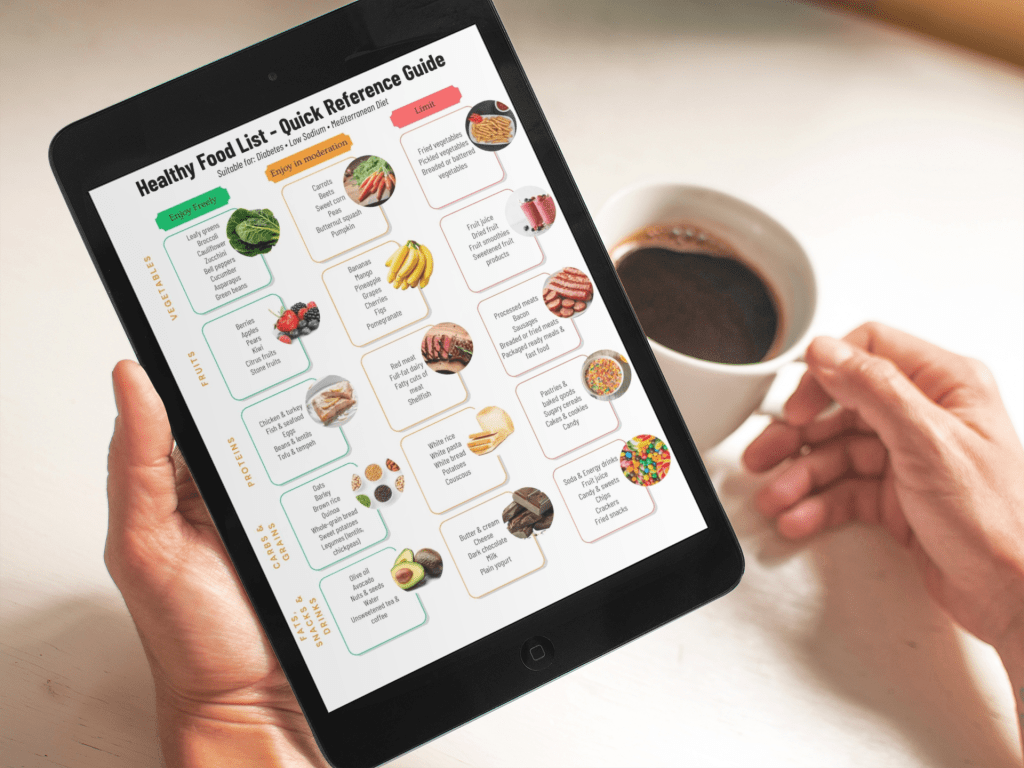
If you’re curious about Mediterranean-style eating but feel overwhelmed by conflicting food advice, having a clear overview of foods can make a big difference. Knowing which foods are generally encouraged, which are best enjoyed in moderation, and which are better limited helps take the guesswork out of everyday choices.
That’s exactly why I created a simple, printable Healthy Food List designed to support Mediterranean-style eating — alongside diabetes-friendly and low sodium choices — in a calm, practical way. It’s meant to be used as a quick reference, not a set of strict rules.
Find the Healthy Food list here
 Nordic Table
Leave a comment