Being diagnosed with diabetes can feel overwhelming. Suddenly, everyday choices — food, routines, energy levels — may come with new questions. While life with diabetes does involve adjustments, many people find that with the right knowledge and support, it’s possible to live a full, balanced, and active life.
Understanding what diabetes is and how it affects daily life is an important first step.
What Is Diabetes?
Diabetes is a condition that affects how the body manages blood sugar (glucose). Glucose is an important source of energy, but it needs to be carefully regulated. When this system doesn’t work as it should, blood sugar levels can become too high or too low.
There are two main types of diabetes, and while they share similarities, they affect the body in different ways.
Type 1 vs. Type 2 Diabetes – What’s the Difference?
Type 1 Diabetes
Type 1 diabetes is an autoimmune condition. The body’s immune system attacks the cells in the pancreas that produce insulin, a hormone needed to move glucose from the bloodstream into the cells.

People with type 1 diabetes:
- Do not produce insulin
- Need insulin therapy to survive
- Are often diagnosed in childhood or young adulthood (but not always)
Type 1 diabetes is not caused by lifestyle factors.
Type 2 Diabetes
Type 2 diabetes is the most common form. In this case, the body either doesn’t use insulin effectively or doesn’t produce enough of it over time.
People with type 2 diabetes may:
- Manage blood sugar through diet, activity, and medication
- Use insulin in some cases
- Be diagnosed later in life, though it’s increasingly common at younger ages
Lifestyle factors, genetics, and overall health all play a role in type 2 diabetes.
How Diabetes Can Affect Everyday Life
Living with diabetes often means becoming more aware of how daily choices affect the body. This doesn’t mean constant restriction, but it does involve greater awareness and planning.
Energy Levels and Routine
Blood sugar fluctuations can affect energy, focus, and mood. Many people with diabetes learn to recognize patterns and adjust meals, activity, or timing accordingly.
Planning Meals and Snacks
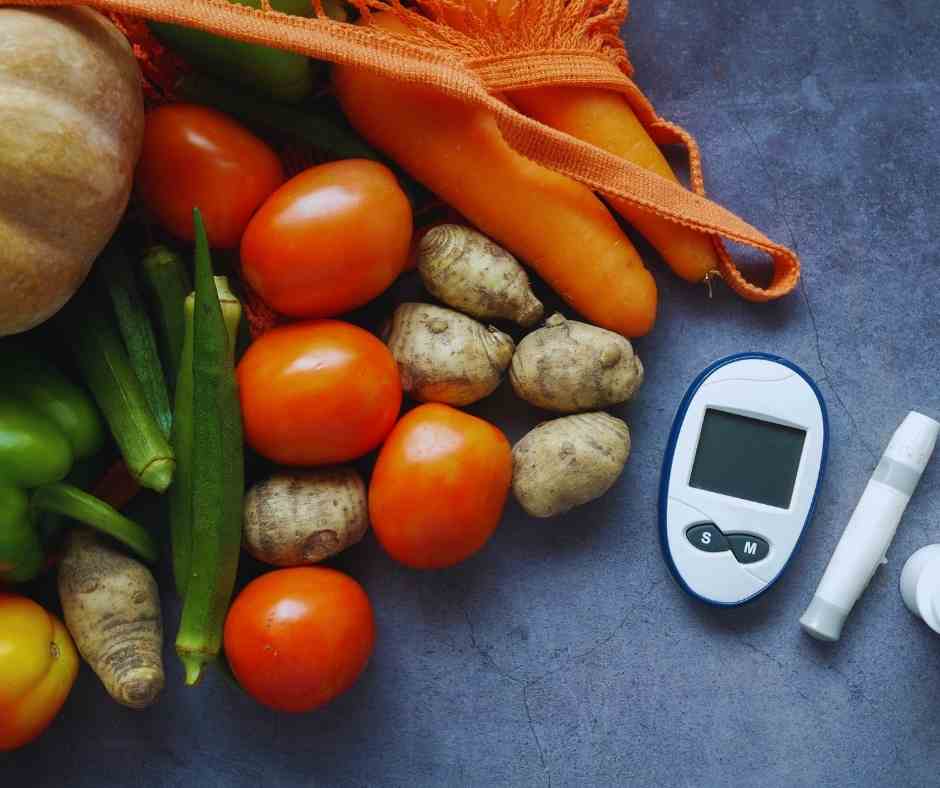
Food choices play an important role in managing blood sugar. This doesn’t mean avoiding entire food groups, but rather:
- Paying attention to portions
- Choosing more whole and fiber-rich foods
- Avoiding large amounts of added sugar
- Pairing carbohydrates with protein and healthy fats
Consistency often matters more than perfection.
Diet and Diabetes – What to Be Aware Of
One of the biggest myths about diabetes is that people must completely avoid carbohydrates. In reality, carbohydrates are part of a balanced diet, even with diabetes. What matters most is:
- Type of carbohydrates (whole grains, vegetables, legumes vs. refined sugars)
- Portion size
- Overall meal balance
Many people with diabetes benefit from:
- More vegetables and whole foods
- Less processed and sugary foods
- Moderate salt intake
- Balanced meals rather than extreme diets
This approach is often similar to Mediterranean-style and heart-healthy eating patterns.
Emotional and Social Changes
Diabetes doesn’t just affect physical health — it can also influence how people feel socially and emotionally. Reading labels, making food choices in social settings, or explaining dietary needs can sometimes feel tiring.
Having simple tools and clear guidance can reduce mental load and make everyday decisions feel easier and more confident.
Living Well With Diabetes
Life with diabetes is not about being “perfect” — it’s about building habits that support long-term health and fit into real life. Many people find that focusing on small, consistent choices is far more sustainable than strict rules.
Support, education, and practical resources can make a big difference.
A Simple Tool to Make Food Choices Easier
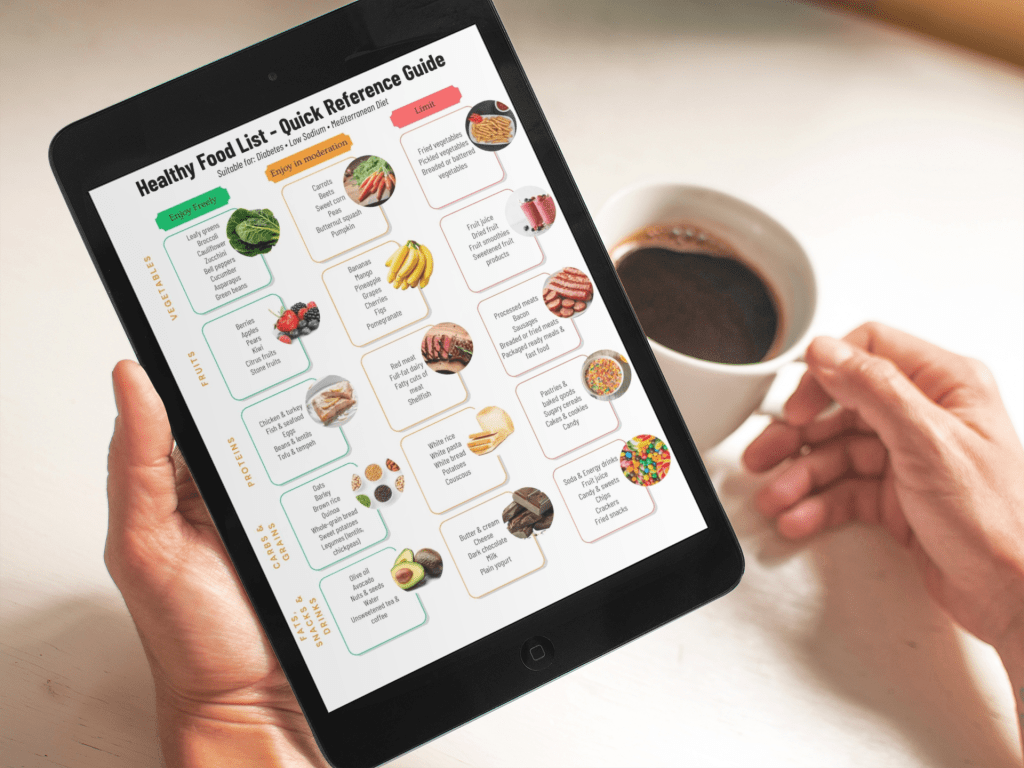
Because food decisions come up every day, having a clear overview of what foods are generally encouraged, which are best enjoyed in moderation, and which are better limited can be incredibly helpful.
That’s why I created a simple, printable Healthy Food List designed to support diabetes-friendly eating, alongside low sodium and Mediterranean-style food choices. It’s meant to be used as a quick reference — on the fridge, during grocery shopping, or when planning meals — to reduce confusion and support balanced eating without strict rules.
Final Thoughts
A diabetes diagnosis may change certain aspects of daily life, but it doesn’t take away the possibility of living well. With understanding, support, and practical tools, many people find a new sense of balance and confidence in their everyday routines.
Small, informed choices can add up to meaningful long-term impact.



 Nordic Table
Leave a comment