
Every January, the motivation is there.
Gym memberships rise, meal plans are downloaded, and many of us set goals to lose weight, get fitter, eat healthier — or all of the above. And while the intention is good, the reality is that most New Year’s resolutions fade within a few weeks.
Not because people don’t want change — but because real, lasting change requires more than motivation alone.
Lasting change starts with mindset, not willpower
One of the biggest mistakes people make when starting a “new healthy lifestyle” is relying on discipline and restriction. Cutting out everything you enjoy, following rigid rules, or pushing yourself through routines you hate might work short-term — but it rarely lasts.
Sustainable change begins with a shift in mindset:
- From “I need to fix myself” to “I want to take better care of myself”
- From temporary results to long-term habits
- From all or nothing to consistent and realistic
Health isn’t something you achieve once and move on from — it’s something you practice, over time, in ways that fit your life.

Habits matter — but they have to work in real life
Healthy habits don’t need to be extreme to be effective. In fact, the habits most likely to stick are often the simplest ones:
- Eating regular, balanced meals
- Moving your body in ways you actually enjoy
- Planning ahead just enough to reduce stress
- Letting flexibility be part of the process
If your routine feels overwhelming, time-consuming, or joyless, it’s probably not sustainable — no matter how “perfect” it looks on paper.
Find movement you enjoy (or at least don’t dread)
Exercise doesn’t have to mean intense workouts or strict schedules. Walking, strength training, yoga, swimming, dancing, cycling — it all counts.
The key is consistency, and consistency comes much more easily when you choose activities that:
- fit your energy level
- suit your lifestyle
- feel rewarding, not punishing
Movement should support your life, not compete with it.
Food should support your health — and be enjoyable
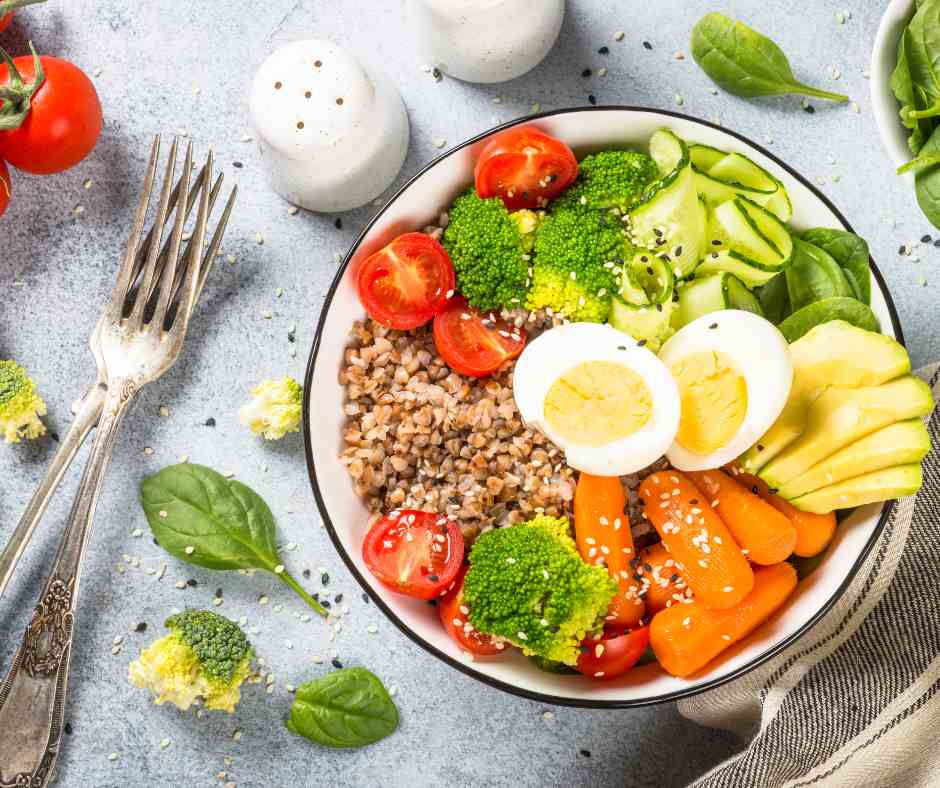
The same principle applies to food. A healthy diet doesn’t have to be boring, restrictive, or complicated. In fact, the “best” way of eating is usually the one you enjoy enough to keep going.
That means:
- meals that taste good
- foods that keep you full and satisfied
- flexibility for social life and everyday routines
- structure without strict rules
When food feels supportive instead of stressful, healthy choices become much easier to maintain.
Small changes add up to big results
One of the most powerful shifts you can make is letting go of the idea that everything has to change at once.
You don’t need to overhaul your entire life in January. You need a few supportive habits that you can repeat — week after week. Over time, those small choices create real, lasting results.
Progress isn’t about perfection. It’s about direction.
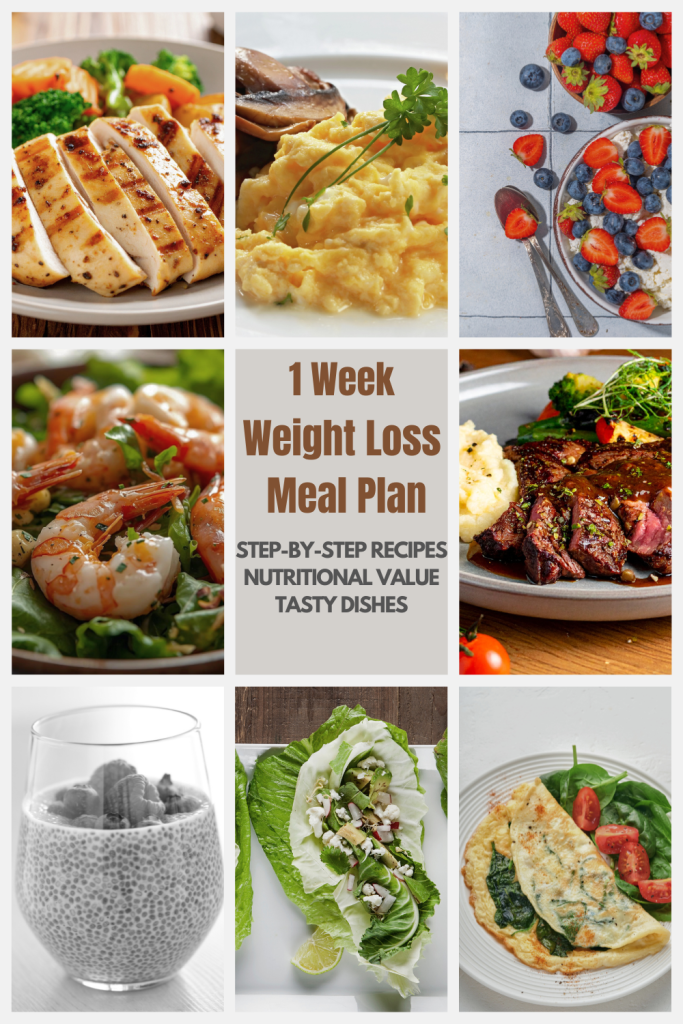
Make healthy living easier with a simple plan
One of the biggest challenges when trying to maintain a healthy lifestyle is decision fatigue — constantly wondering whatto eat, how to plan meals, or whether you’re doing things “right.”
This is where a structured, flexible meal plan can make a big difference.
A good meal plan:
- removes guesswork
- saves time and mental energy
- supports balanced nutrition
- helps you stay consistent — even on busy days
If you’re looking for a simple way to support healthier routines without pressure or perfection, you’ll find several meal plans and practical tools designed exactly for that here on Nordic Table.
They’re created to help you build habits you can actually stick to — not just in January, but long after.
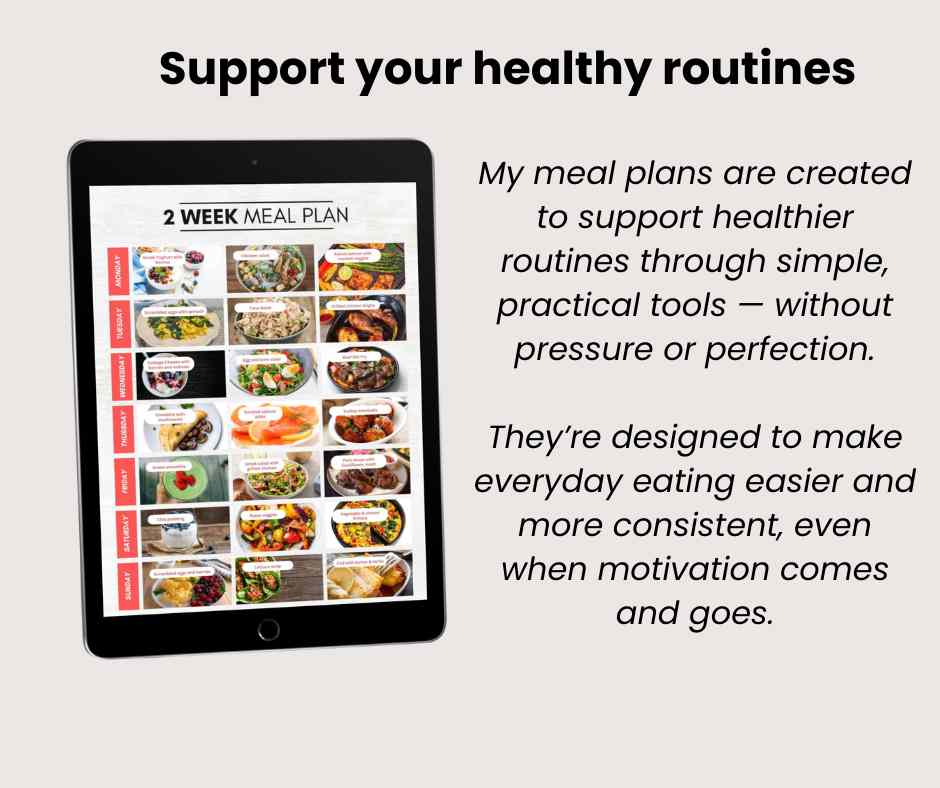
Looking for an easier way to stay consistent?
Explore my meal plans designed to support healthier routines — without pressure or perfection.
👉 View meal plans

 Nordic Table
Leave a comment