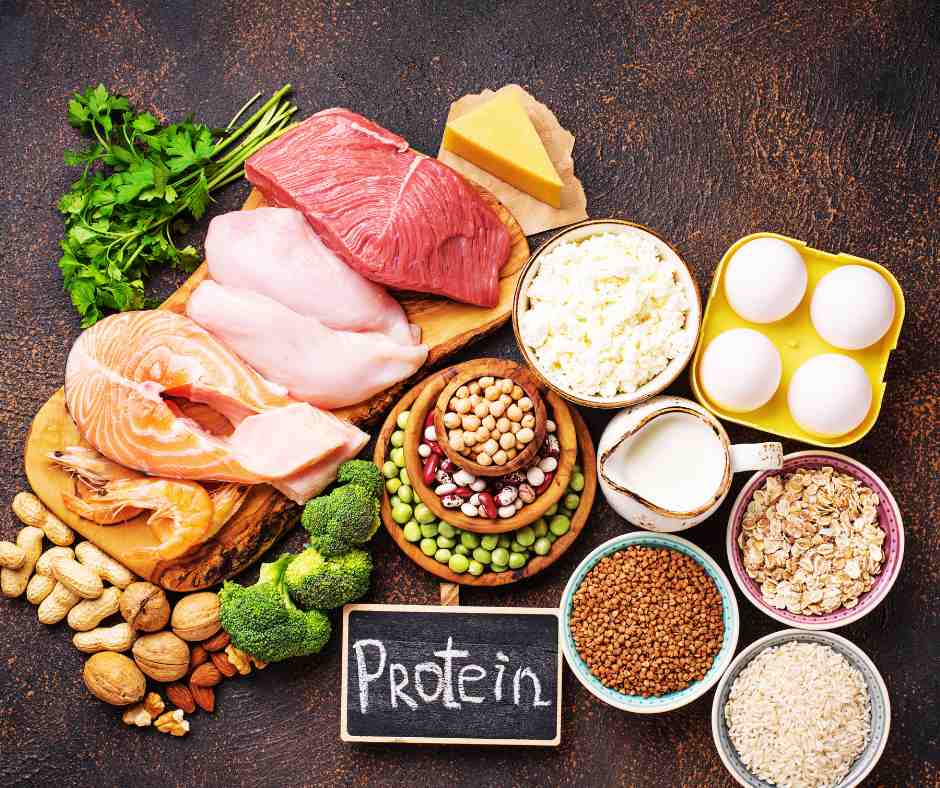
Protein plays an important role in overall health, yet many people struggle to get enough of it in their daily diet. Whether your goal is to support weight loss, build muscle, feel fuller for longer, or simply maintain steady energy levels, increasing your protein intake can make a real difference.
The good news? Eating more protein doesn’t have to mean complicated meal prep, strict rules, or dramatic changes. Small, practical adjustments can add up over time.
Why protein matters
Protein is essential for:
- maintaining muscle mass
- supporting metabolism
- keeping you full and satisfied between meals
- stabilising energy levels throughout the day
A diet that includes enough protein can also make it easier to stick to healthy routines, as balanced meals tend to reduce cravings and overeating.
How much protein do you need?
Daily protein needs vary depending on factors such as age, activity level, and overall goals. While exact numbers differ, most people benefit from including a protein source at every meal rather than trying to “catch up” later in the day.
Spreading protein intake evenly helps support muscle maintenance and keeps meals more satisfying.
Easy ways to increase protein intake
1. Start with breakfast
Many traditional breakfasts are low in protein. Adding simple options like eggs, Greek yogurt, cottage cheese, protein-rich smoothies, or high-protein oats can set the tone for the rest of the day.
A higher-protein breakfast often leads to better appetite control later on.
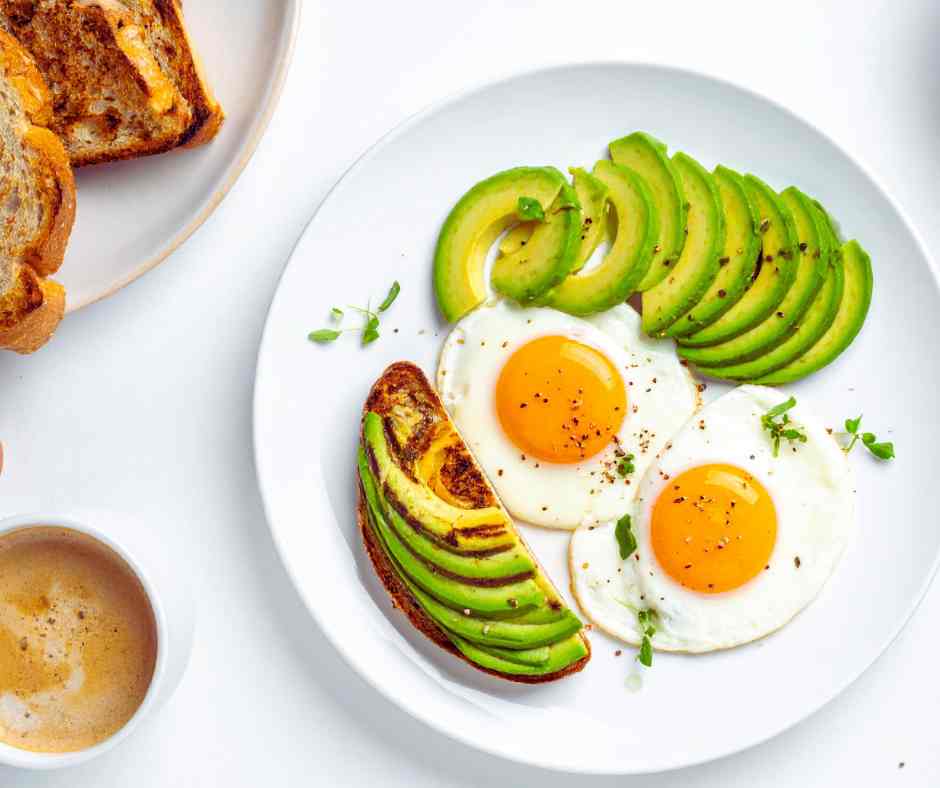
2. Build meals around a protein source
Instead of treating protein as an afterthought, try building meals around it. Choose a main protein first, then add vegetables, healthy fats, and carbohydrates around it.
Examples of high-protein foods include:
- chicken, turkey, and lean meats
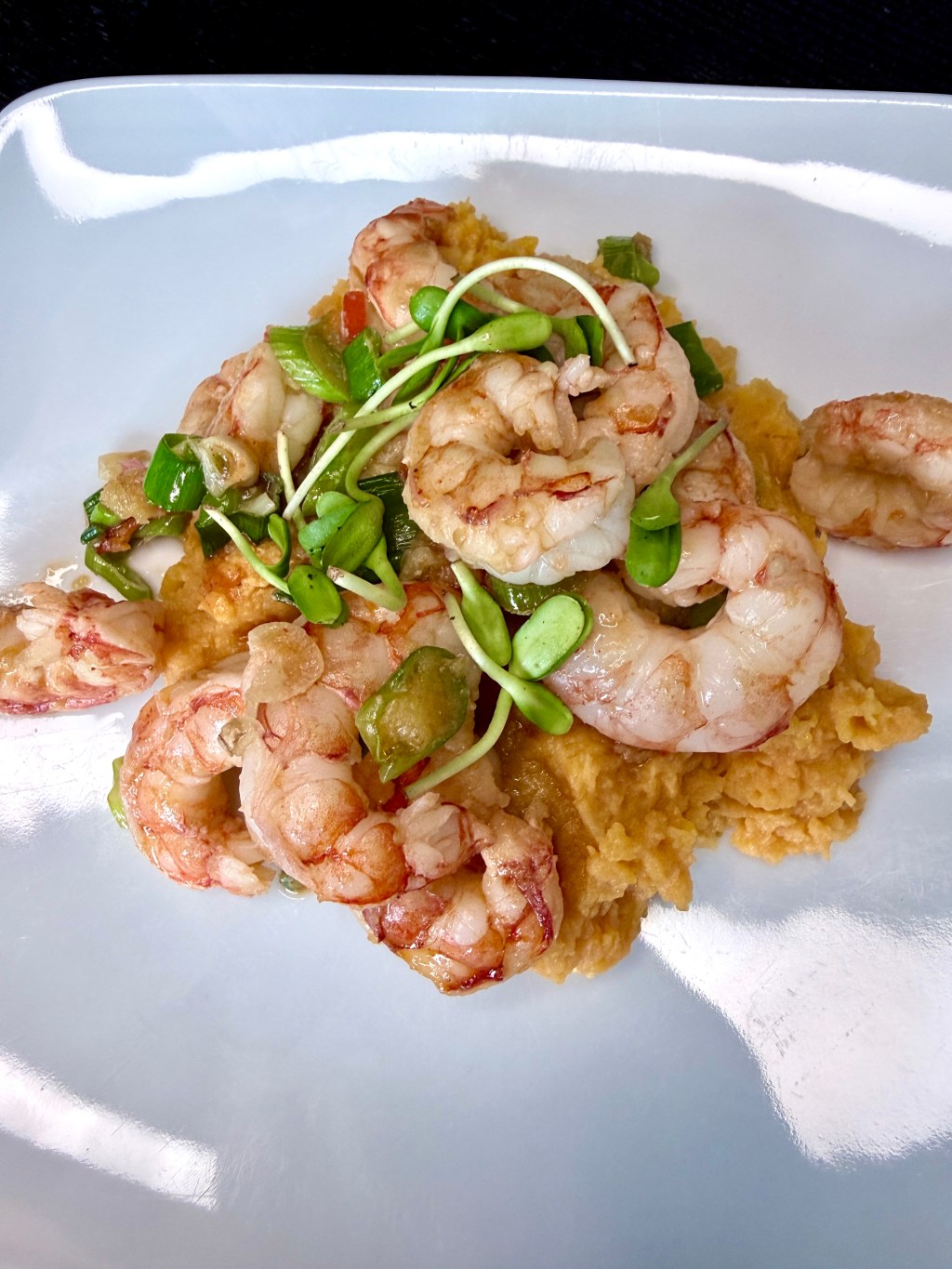
- fish and seafood
- eggs
- dairy products like yogurt and cheese
- legumes, beans, and lentils
- tofu, tempeh, and plant-based protein alternatives
3. Choose protein-rich snacks
Snacks are a great opportunity to increase protein intake without large meals. Protein-rich snacks help keep blood sugar stable and prevent energy crashes.
Simple options include:
- yogurt with berries
- boiled eggs
- cottage cheese
- protein smoothies
- nuts paired with a protein source
4. Don’t forget plant-based protein
Protein doesn’t only come from animal products. Beans, lentils, chickpeas, tofu, quinoa, and nuts all contribute to daily protein intake and add variety to meals.
Combining different plant-based protein sources can help support a balanced and satisfying diet.
5. Keep it simple and consistent
The most effective way to eat more protein is consistency, not perfection. You don’t need to hit an exact number every day — focusing on regular, protein-rich meals is often enough to see benefits over time.
Protein and weight loss
Protein is often highlighted in weight loss plans because it helps increase satiety and preserve muscle mass during calorie reduction. Meals that include enough protein tend to be more filling, which can naturally support portion control without feeling restrictive.
That said, protein works best as part of a balanced approach — not as a quick fix.
Make protein easier with a simple plan
One of the biggest challenges when trying to eat more protein is decision fatigue — constantly wondering what to eat and how to balance meals. This is where structure can help.
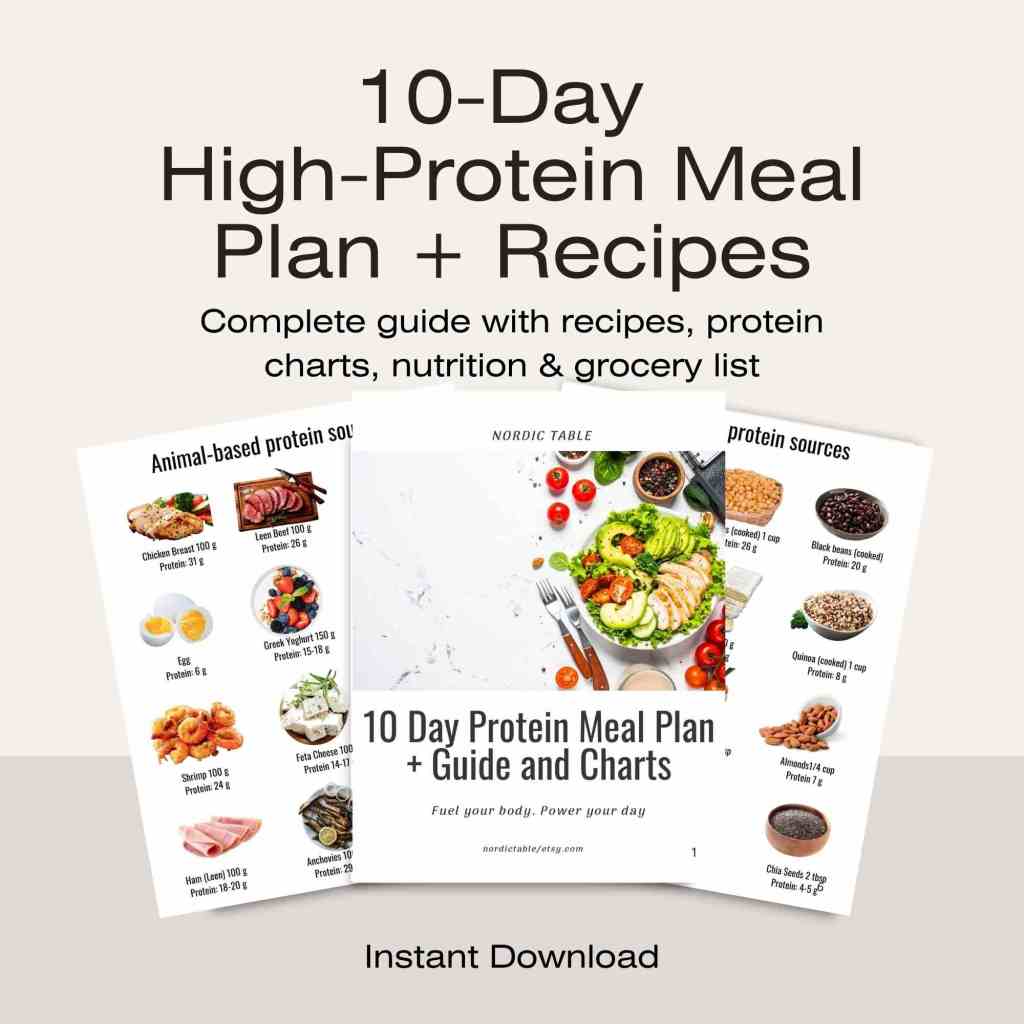
Using a high-protein meal plan or protein guide can make it easier to:
- understand protein needs
- plan balanced meals
- stay consistent during busy weeks
Having a clear plan reduces guesswork and helps turn healthy intentions into everyday habits.
Focus on progress, not perfection
Including more protein in your diet doesn’t require drastic changes. Small, realistic adjustments — repeated over time — are what lead to lasting results.
Aim for meals that support your health, fit your lifestyle, and feel enjoyable enough to maintain. That’s where real change happens.
Looking for an easier way to include more protein in your everyday meals?
Explore simple, high-protein meal plans and guides designed to support healthier routines — without pressure or perfection. Find the High Protein Meal Plan here:

 Nordic Table
Leave a comment